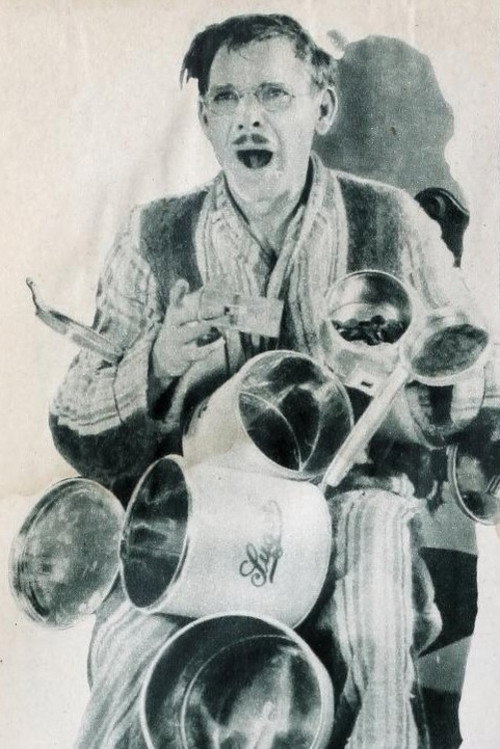
Cook, Papa, Cook 1928
In the silent-era comedy gem *Cook, Papa, Cook* (1928), directed by Wallace MacDonald, domestic chaos erupts when Lucille Hutton's character playfully dictates breakfast in bed, only to find her husband Henry Murdock utterly incapable of delivering.
Director: Wallace MacDonald
Cast

Frequently Asked Questions
What is *Cook, Papa, Cook* (1928) about?
This silent-era comedy follows a husband who must cook breakfast for his wife after oversleeping, only to face a series of hilarious kitchen disasters. The short explores the absurdity of domestic roles through exaggerated slapstick humor.
Who directed *Cook, Papa, Cook*?
Wallace MacDonald directed this 1928 comedy, known for his work in early film production and lighthearted storytelling.
Who stars in *Cook, Papa, Cook*?
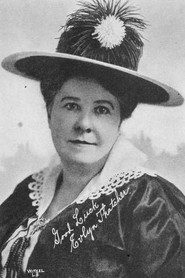
The film features Henry Murdock, Lucille Hutton, Billy Brandon, and Eva Thatcher in key roles.
Is *Cook, Papa, Cook* (1928) worth watching?
As a silent-era comedy, it delivers quick, engaging laughs through physical humor and relatable marital dynamics. While it's not rated on IMDb, its brevity and classic charm make it a fun watch for fans of early cinema.
How long is *Cook, Papa, Cook*?
The film runs approximately 10 minutes.
About Cook, Papa, Cook (1928) — A 1920s Comedy Classic Where Breakfast Becomes a Battle
In the silent-era comedy gem *Cook, Papa, Cook* (1928), directed by Wallace MacDonald, domestic chaos erupts when Lucille Hutton's character playfully dictates breakfast in bed, only to find her husband Henry Murdock utterly incapable of delivering. What follows is a delightful series of kitchen mishaps as Murdock attempts to toast bread, slice fruit, and prepare coffee—all while his wife lounges like royalty, tossing chocolates down with mischievous glee. The short's humor thrives on classic slapstick timing and the timeless battle of the sexes, set against the cozy, slightly chaotic atmosphere of a 1920s household.
This ten-minute romp blends lighthearted farce with relatable marital sparring, offering a snapshot of early cinema's knack for turning everyday frustrations into uproarious entertainment. MacDonald's direction keeps the energy brisk, while Murdock and Hutton's chemistry crackles with playful exasperation—a recipe for laughs that still feels fresh nearly a century later.