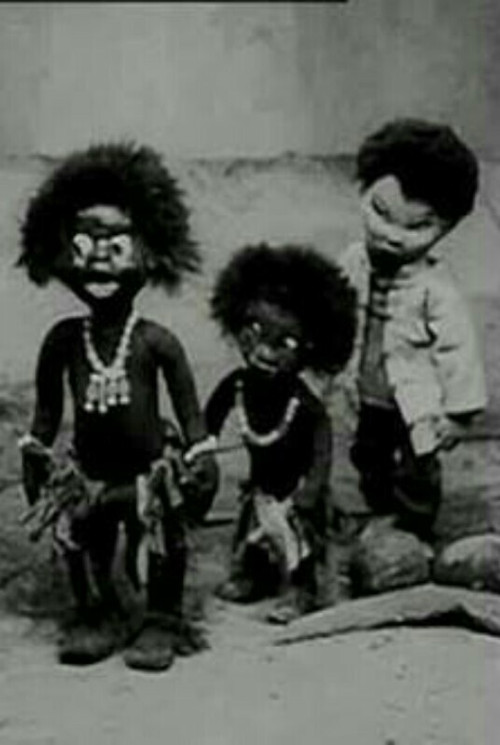
The Adventures of the Little Chinese 1928
Step back into 1928 and meet two young explorers whose adventurous trek across China becomes an unexpected classroom for Soviet-era geopolitics.
Director: Mariya Benderskaya
Frequently Asked Questions
What is The Adventures of the Little Chinese (1928) about?
Two children embark on a journey across China, encountering landscapes and cultures that double as a subtle lesson in Soviet geopolitics. Their adventure unfolds through handcrafted puppets, blending playful exploration with understated political themes.
Who directed The Adventures of the Little Chinese?
The film was directed by Mariya Benderskaya, a pioneer in early Soviet animation whose work embraced both artistic innovation and ideological storytelling.
Who stars in The Adventures of the Little Chinese?
The cast details for this silent-era puppet animation are not recorded, but the film centers on two child protagonists whose journey drives the narrative.
Is The Adventures of the Little Chinese (1928) worth watching?
Though unrated on IMDb, this 24-minute animated short stands out for its bold artistic choices and Soviet-era historical significance. Fans of early animation, political allegory, and handcrafted cinema will find much to admire in its poetic details and creative ambition.
How long is The Adventures of the Little Chinese?
The Adventures of the Little Chinese runs for 24 minutes.
About The Adventures of the Little Chinese (1928) — Soviet Animation Treasure with Stitched Puppets and Political Wit
Step back into 1928 and meet two young explorers whose adventurous trek across China becomes an unexpected classroom for Soviet-era geopolitics. Directed by Mariya Benderskaya, this silent-era animation blends sharp political commentary with handcrafted puppetry that feels alive with delicate poetry. Each frame shimmers with meticulous artistry, from the vibrant décors to the expressive movements of stitched-together marionettes, creating a timeless visual symphony.
The Adventures of the Little Chinese (1928) isn't just a political allegory—it's a love letter to animation's boundless creativity. Benderskaya's vision transforms simple materials into living art, where every rustle of fabric and flicker of light reinforces the chase for artistic perfection. Beneath its playful surface lies a story that feels both of its time and timeless, inviting viewers to ponder power, geography, and the innocence of childhood set against a grand historical stage.