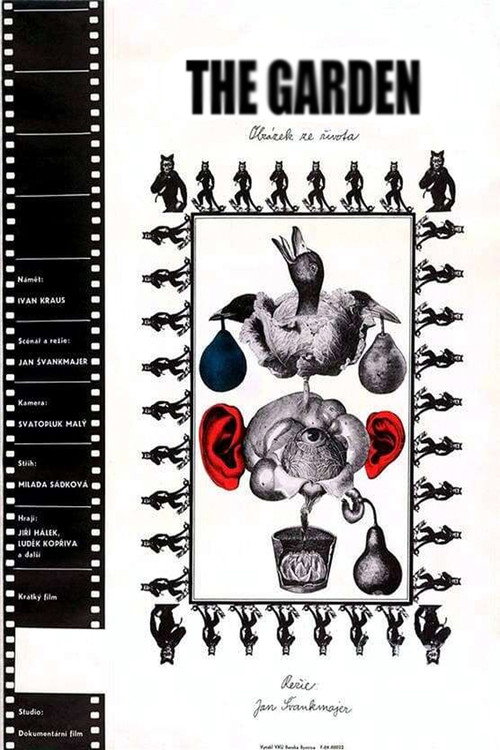
The Garden 1968
Czech surrealist master Jan Švankmajer's 1968 short film The Garden unfolds in a quietly eerie world where Josef's prized rabbits share space with something far stranger—a living fence composed entirely of people clasping hands.
Director: Jan Švankmajer
Cast
Frequently Asked Questions
What is The Garden (1968) about?
Frank drops by to see his friend Josef, only to discover that Josef's garden fence isn't just a barrier—it's a living chain of people holding hands. What begins as a quirky visit quickly spirals into a darkly comic meditation on boundaries and belonging.
Who directed The Garden?
The Garden was directed by Jan Švankmajer, the acclaimed Czech filmmaker known for his surreal and often unsettling explorations of human behavior and society.
Who stars in The Garden?
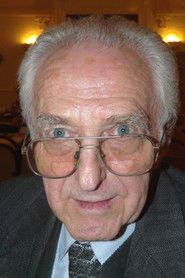
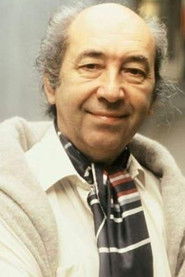
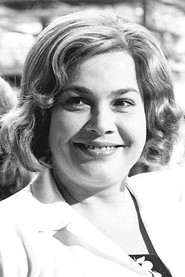
The film features Jiří Hálek as Frank, Luděk Kopřiva as Josef, Míla Myslíková as Mary, along with Václav Borovička and František Husák rounding out the cast.
Is The Garden (1968) worth watching?
With its concise 17-minute runtime and Švankmajer's distinctive surrealist style, The Garden offers a compact but thought-provoking experience. Fans of absurdist cinema will appreciate its clever blend of dark humor and unsettling imagery. While it's unrated, its cult status among surrealist film aficionados speaks volumes.
How long is The Garden?
The Garden runs for 17 minutes.
About The Garden (1968) — A Surreal Short About Rabbits, Fences, and Human Hands
Czech surrealist master Jan Švankmajer's 1968 short film The Garden unfolds in a quietly eerie world where Josef's prized rabbits share space with something far stranger—a living fence composed entirely of people clasping hands. When his friend Frank arrives for a visit, the idyllic garden becomes the stage for an unsettling comedy of manners tinged with existential unease. Švankmajer blends deadpan humor with absurdist horror to explore themes of conformity, isolation, and the uncanny boundaries between nature and society.
Crafted in just seventeen minutes, The Garden showcases the director's signature blend of practical effects and Freudian symbolism, all wrapped in a narrative that feels both timeless and deeply rooted in the political climate of its era. The film's haunting visual metaphor lingers long after the credits roll, leaving viewers to question what—or who—is really being contained within that unnatural enclosure.