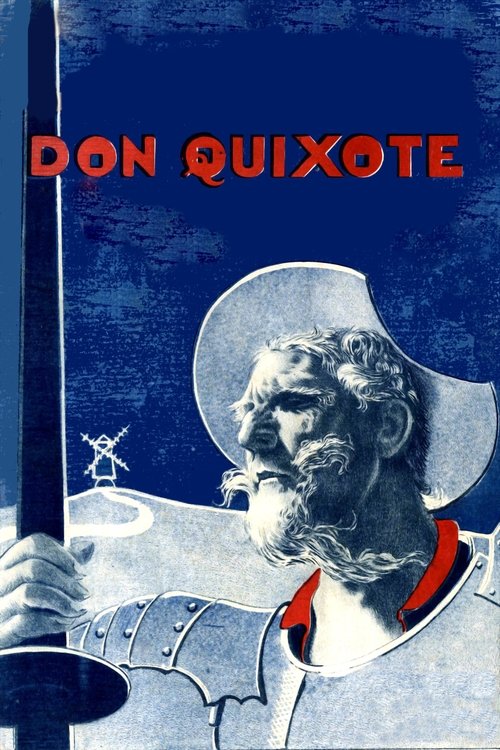
Don Quixote 1933
Dive into the 1933 cinematic adaptation of Miguel de Cervantes' timeless literary hero in G.W. Pabst's Don Quixote, a visually rich adventure-drama that breathes life into the mythic figure of the delusional knight. Feodor Chaliapin Sr.
Director: G.W. Pabst
Cast
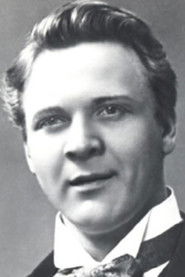
Feodor Chaliapin Sr.
Don Quichotte
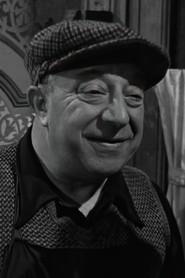
Dorville
Sancho Panza
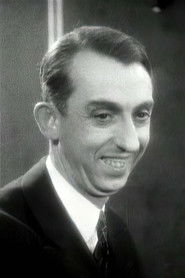
René Donnio
Carrasco
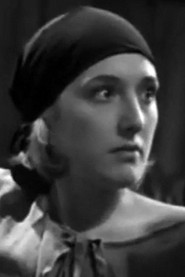
Renée Valliers
Dulcinée
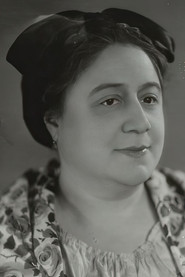
Mady Berry
Sancho Panza's Wife
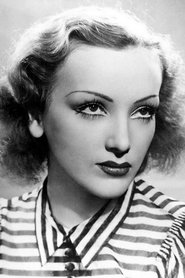
Mireille Balin
The Niece
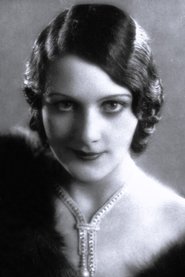
Arlette Marchal
The Duchess
Jean de Limur
The Duke
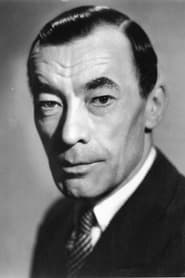
Vladimir Sokoloff
Gypsy King
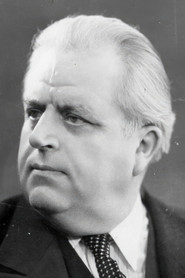
Charles Martinelli
The Chief of Police
Frequently Asked Questions
What is Don Quixote (1933) about?
This film follows the misadventures of Alonso Quixano, a delusional nobleman who renames himself Don Quixote and embarks on a chivalric crusade across Spain, convinced he's a knight destined for grand deeds. Accompanied by his down-to-earth squire Sancho Panza, he mistakes windmills for giants and inns for castles, weaving a tale of tragicomedy and poignant idealism.
Who directed Don Quixote?
The film was directed by G.W. Pabst, the renowned Austrian filmmaker known for his innovative use of sound and visual storytelling in the early cinema era.
Who stars in Don Quixote?
The lead roles are played by Feodor Chaliapin Sr. as Don Quixote and Dorville as Sancho Panza, with supporting performances by René Donnio and Mireille Balin bringing depth to the ensemble.
Is Don Quixote (1933) worth watching?
As a foundational adaptation of Cervantes' masterpiece, this 1933 version offers a visually striking and emotionally resonant take on the classic story. Its blend of adventure, drama, and philosophical undertones makes it a rewarding watch for classic film enthusiasts and literary fans alike, despite its age.
How long is Don Quixote?
Don Quixote (1933) has a runtime of 89 minutes.
About Don Quixote (1933) — Classic Adventure-Drama with Feodor Chaliapin Sr.
Dive into the 1933 cinematic adaptation of Miguel de Cervantes' timeless literary hero in G.W. Pabst's Don Quixote, a visually rich adventure-drama that breathes life into the mythic figure of the delusional knight. Feodor Chaliapin Sr. embodies the tragic idealist with a haunting intensity, while Dorville lends grounded wit as his loyal squire, Sancho Panza. Together, they embark on a journey where the line between reality and fantasy blurs, exploring themes of delusion, honor, and the power of imagination against a backdrop of rustic simplicity and sweeping landscapes. Pabst's direction blends poetic melancholy with sharp character contrasts, capturing the bittersweet essence of a man chasing impossible dreams in a world that has moved on.
This classic film stands as a testament to early sound-era storytelling, where every frame feels carefully composed to reflect both the grandeur and absurdity of Don Quixote's quest. The chemistry between Chaliapin and Dorville elevates the narrative beyond mere parody, transforming it into a deeply moving meditation on the clash between idealism and practicality. Whether you're a fan of literary adaptations or classic cinema, Don Quixote (1933) offers a compelling, atmospheric experience that lingers long after the final scene.