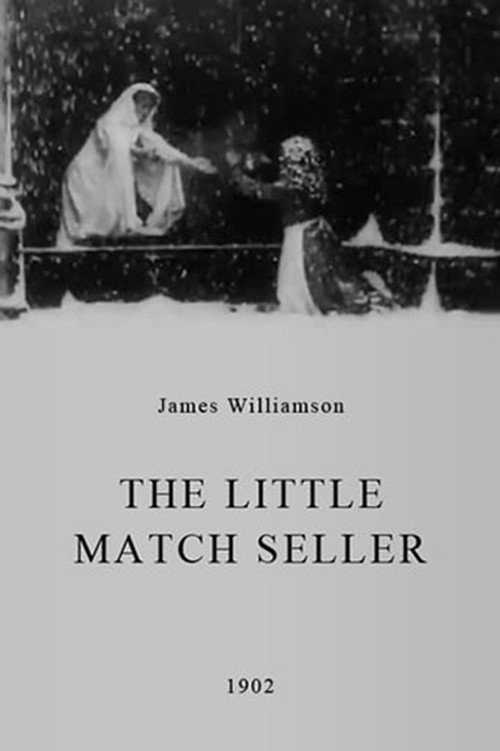
The Little Match Seller 1902
Dive into one of cinema's earliest emotional masterpieces with *The Little Match Seller (1902)*, a poignant 3-minute silent drama directed by James Williamson.
Director: James Williamson
Frequently Asked Questions
What is The Little Match Seller (1902) about?
This short silent film follows a destitute young girl who lights matches to stay warm during a freezing December night. Each flame reveals comforting visions of warmth, food, and her deceased mother, culminating in a heartbreaking finale that underscores the harshness of poverty.
Who directed The Little Match Seller?
The film was directed by James Williamson, a pioneer of early British cinema known for his innovative storytelling techniques.
Who stars in The Little Match Seller?
Cast details for *The Little Match Seller (1902)* are not officially recorded, reflecting the anonymity common in early silent films.
Is The Little Match Seller (1902) worth watching?
With its historical significance as one of cinema's first silent dramas and a runtime under 3 minutes, *The Little Match Seller (1902)* offers a glimpse into the emotional storytelling of the era. Its poignant adaptation of Andersen's tale makes it a compelling watch for fans of classic or silent film history.
How long is The Little Match Seller?
The runtime for *The Little Match Seller (1902)* is 3 minutes.
About The Little Match Seller (1902) — A Haunting Silent Short Based on Andersen's Classic Tale
Dive into one of cinema's earliest emotional masterpieces with *The Little Match Seller (1902)*, a poignant 3-minute silent drama directed by James Williamson. Inspired by Hans Christian Andersen's timeless tale, this short film captures the harsh realities of poverty through the haunting story of a young girl struggling to sell matches in the biting December cold. As she huddles for warmth, her flickering matches ignite vivid visions—a crackling fireplace, a festive Christmas feast, and a loving reunion with her departed mother—painting a stark contrast between fleeting dreams and crushing reality. Williamson's direction infuses the film with a melancholic atmosphere, blending social commentary with a deeply human touch.
The film's enduring power lies in its unflinching portrayal of despair and hope, wrapped in the delicate beauty of early cinematography. By weaving Andersen's narrative into a visual medium, *The Little Match Seller (1902)* becomes more than a story; it's a mirror to the struggles of the forgotten, told with raw simplicity and emotional depth. Though brief, its impact lingers long after the final frame fades.