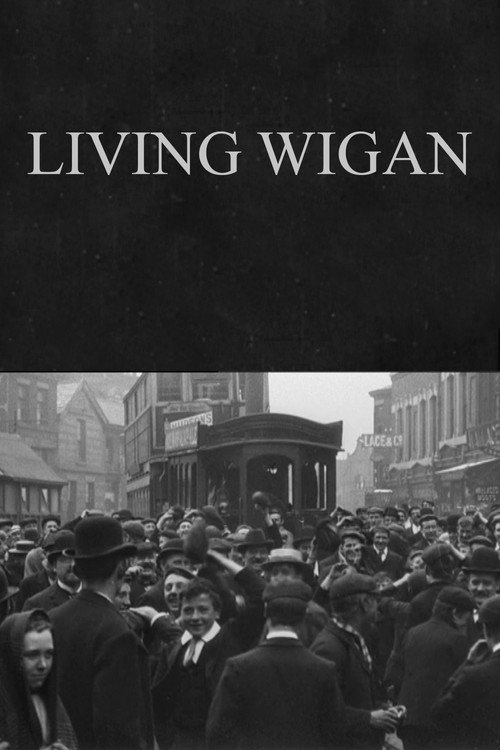
Living Wigan 1902
Step back in time with Living Wigan (1902), an enchanting early documentary capturing a bustling moment in Edwardian England.
Frequently Asked Questions
What is Living Wigan (1902) about?
Living Wigan (1902) is a brief but fascinating documentary-style film that captures a slice of everyday life in the early 1900s. The footage shows a crowded Wigan Market Place, where a tram departs as onlookers gather around the camera, creating a lively snapshot of the era's public transport and community spirit.
Who directed Living Wigan?
Director information is not available.
Who stars in Living Wigan?
As an early documentary, Living Wigan (1902) features an uncredited cast of local residents, workers, and passengers caught in its candid lens.
Is Living Wigan (1902) worth watching?
While Living Wigan (1902) is a short film with no rating, its historical significance as an early example of British documentary filmmaking makes it a compelling watch. Its unfiltered portrayal of Edwardian life offers a unique blend of nostalgia and cinematic curiosity for enthusiasts of early film history.
How long is Living Wigan?
Living Wigan (1902) runs for approximately 2 minutes.
About Living Wigan (1902) — Exploring an early cinematic snapshot of Edwardian England
Step back in time with Living Wigan (1902), an enchanting early documentary capturing a bustling moment in Edwardian England. Filmed in just two minutes, this cinematic snapshot transports viewers to Wigan Market Place, where a lively crowd gathers around the camera, their curiosity piqued as a tram glides away. The film's raw energy and historical authenticity offer a rare glimpse into daily life over a century ago, blending nostalgia with the thrill of early filmmaking.
As one of the earliest surviving examples of British documentary-style cinema, Living Wigan (1902) stands as a testament to the power of moving images to preserve fleeting moments. Its unfiltered portrayal of public life—complete with the murmur of voices and the hum of machinery—creates an immersive atmosphere that feels both distant and remarkably close. For film enthusiasts and history buffs alike, this short but evocative piece is a treasure trove of early cinematic tradition.