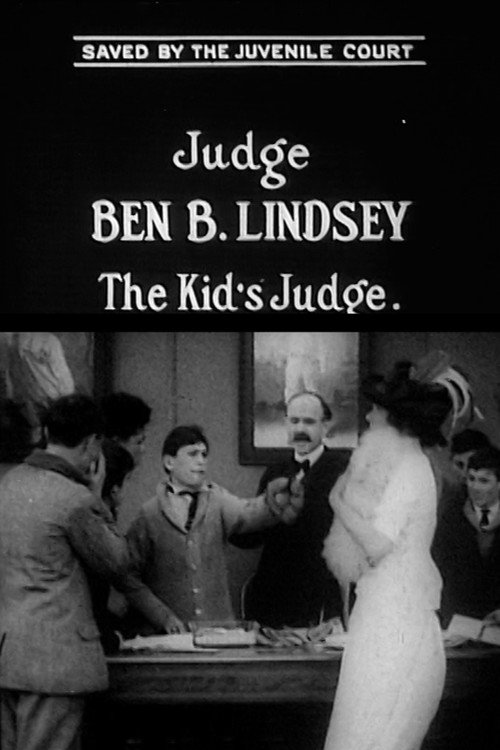
Saved by the Juvenile Court 1913
Saved by the Juvenile Court (1913) tells a poignant tale of redemption set within the early 20th-century judicial system.
Director: Otis Thayer
Cast
Frequently Asked Questions
What is Saved by the Juvenile Court (1913) about?
The film follows an orphan whose life is transformed through the intervention of Judge Ben Lindsey's juvenile court system. It explores themes of redemption and social reform as the child finds a path toward belonging and justice.
Who directed Saved by the Juvenile Court?
Director Otis Thayer helmed this 1913 silent drama, bringing his storytelling vision to the early juvenile justice narrative.
Who stars in Saved by the Juvenile Court?
The film features Ida L. Greggory and Ben Lindsey in leading roles, with Lindsey portraying the real-life judge whose court system saves the young protagonist.
Is Saved by the Juvenile Court (1913) worth watching?
While unrated by modern standards, this drama offers historical value for silent film enthusiasts and those interested in early social justice themes. Its brief runtime makes it accessible for viewers curious about early 20th-century cinema.
How long is Saved by the Juvenile Court?
The film runs for 33 minutes, making it a short but impactful silent era drama.
Saved by the Juvenile Court (1913): Silent Era Drama About Justice — Full Movie Info
Saved by the Juvenile Court (1913) tells a poignant tale of redemption set within the early 20th-century judicial system. Directed by pioneering filmmaker Otis Thayer, this silent drama explores the journey of an abandoned child who finds hope and belonging through the compassionate intervention of Judge Ben Lindsey's juvenile court. The film captures the social reform spirit of its era, highlighting themes of justice, family, and second chances.
Starring Ida L. Greggory and Ben Lindsey himself, the movie presents a compelling character study within its 33-minute runtime. The dramatic narrative reflects the progressive attitudes toward child welfare that were emerging during the 1910s, offering audiences a glimpse into the real-world impact of dedicated public servants. With its focus on rehabilitation over punishment, Saved by the Juvenile Court (1913) serves as both entertainment and social commentary from the silent film era.
This early drama remains historically significant as a window into early juvenile justice reform. Stream or download Saved by the Juvenile Court (1913) to experience this important piece of American cinema history.