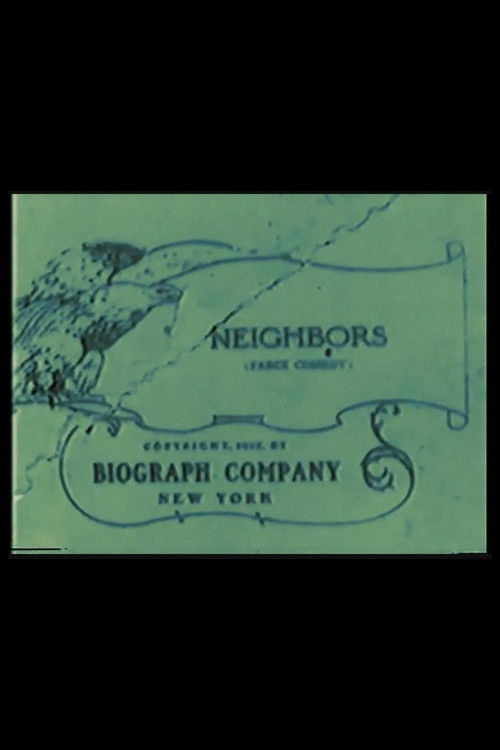
Neighbors 1912
Dive into the silent-era humor of *Neighbors (1912)*, a vintage comedy crafted by the legendary Mack Sennett during his early days at Biograph.
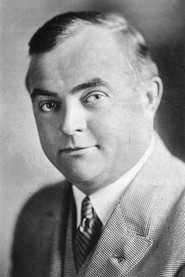
Director: Mack Sennett
Cast

Frequently Asked Questions
What is Neighbors (1912) about?
*Neighbors (1912)* follows a series of comedic misunderstandings between neighbors, driven by mistaken identities and frantic chases. The film's humor relies on exaggerated physical gags and the playful chemistry between its lead actors.
Who directed Neighbors?
Neighbors was directed by Mack Sennett, a pioneer of silent comedy whose innovative techniques laid the foundation for modern slapstick.
Who stars in Neighbors?
The film stars Fred Mace and Mabel Normand, two of the most beloved comedic actors of the silent era.
Is Neighbors (1912) worth watching?
For fans of early cinema or silent comedy, *Neighbors (1912)* is a delightful time capsule. Its brief runtime and energetic performances make it a charming watch, though modern audiences may appreciate it more for its historical significance.
How long is Neighbors?
Neighbors runs for 6 minutes.
🎥 Trailer
About Neighbors (1912) — Mack Sennett's Classic Comedy Short Explored
Dive into the silent-era humor of *Neighbors (1912)*, a vintage comedy crafted by the legendary Mack Sennett during his early days at Biograph. Starring the iconic duo of Fred Mace and Mabel Normand, this six-minute short delivers pure slapstick charm, capturing the chaotic energy of early cinema. The film's playful atmosphere hinges on exaggerated misunderstandings and physical comedy, hallmarks of Sennett's groundbreaking style. Though simple in premise, *Neighbors (1912)* showcases the creative spark that would later define Keystone Studios and influence generations of comedians.
As one of the earliest surviving examples of Sennett's work, *Neighbors (1912)* offers a nostalgic glimpse into the birth of cinematic humor. The film's lighthearted chaos, driven by Normand and Mace's dynamic performances, reflects the innocence and inventiveness of silent-era storytelling. While modest in runtime, its legacy lies in setting the stage for the rapid evolution of comedy on screen.