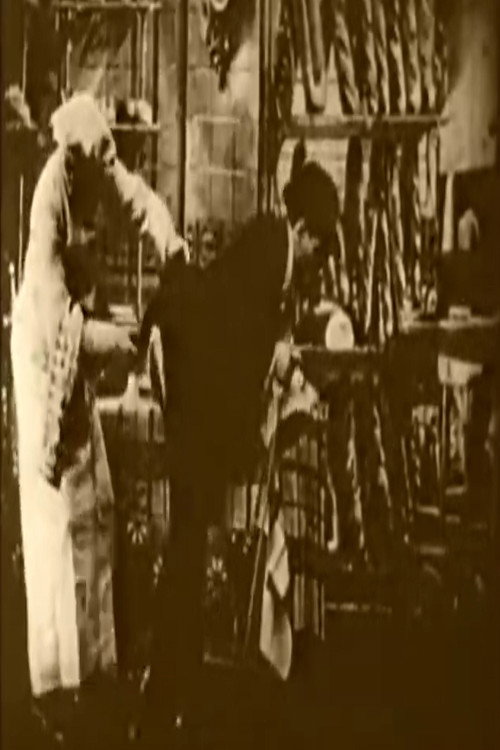
Max Wants to Grow 1912
Step into the world of early cinema with Max Wants to Grow (1912), a short and sweet comedy directed by the renowned Max Linder.
Director: Max Linder
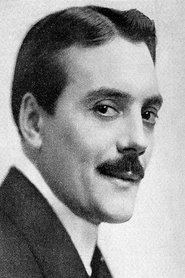
Cast


Frequently Asked Questions
What is Max Wants to Grow (1912) about?
This short comedy film explores the complexities of human relationships through a series of humorous situations, showcasing the signature style of its director, Max Linder.
Who directed Max Wants to Grow?
Max Wants to Grow was directed by the renowned comedian and filmmaker Max Linder.
Who stars in Max Wants to Grow?
The film features a talented cast, including Max Linder, Stacia Napierkowska, and Jane Renouardt.
Is Max Wants to Grow (1912) worth watching?
While Max Wants to Grow (1912) may not be a well-known film today, its influence on modern comedies is still evident, making it a worthwhile watch for fans of early cinema.
How long is Max Wants to Grow?
Max Wants to Grow has a runtime of 3 minutes.
About Max Wants to Grow (1912) — A Short and Sweet Comedy from Silent Film's Golden Age
Step into the world of early cinema with Max Wants to Grow (1912), a short and sweet comedy directed by the renowned Max Linder. Often confused with Max ne se mariera pas, this film showcases Linder's signature style, blending humor and pathos in a tale that explores the complexities of human relationships. With a talented cast, including Max Linder, Stacia Napierkowska, and Jane Renouardt, Max Wants to Grow (1912) offers a glimpse into the formative years of silent film, where physical comedy and situational humor reigned supreme.
In the hands of a master like Max Linder, even the most mundane situations can be transformed into comedic gold. With a runtime of just three minutes, Max Wants to Grow (1912) is a concise and entertaining experience that will leave you smiling. If you're a fan of early cinema or simply looking for a lighthearted film to watch, Max Wants to Grow (1912) is definitely worth checking out.
Though it may not be a well-known film today, Max Wants to Grow (1912) remains an important part of film history, and its influence can still be seen in many modern comedies.