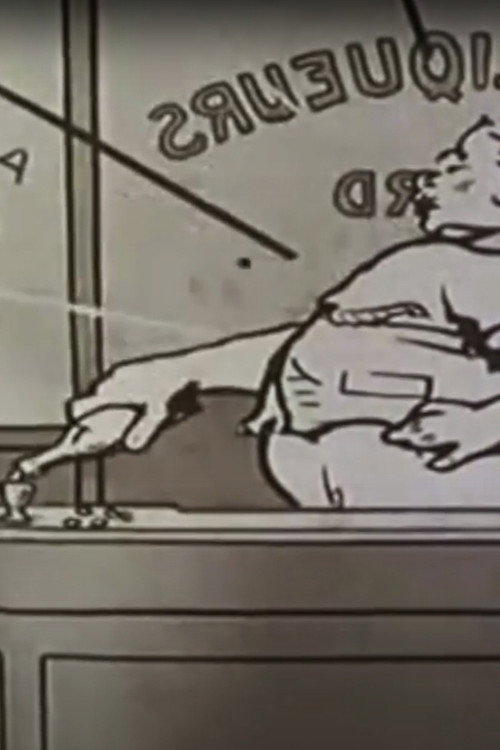
Le circuit de l'alcool 1912
A stark early-20th-century French animation, *Le circuit de l'alcool (1912)* serves as a grim cautionary tale about the insidious path from financial ruin to alcoholism and, ultimately, madness.
Director: O'Galop
Frequently Asked Questions
What is Le circuit de l'alcool (1912) about?
This 1912 animated short follows the dangerous journey of money transforming into alcohol, leading inexorably to drunkenness, insanity, and death. It's a stark visual warning about the consequences of addiction during France's early 20th century.
Who directed Le circuit de l'alcool?
The film was directed by O'Galop, a pioneering figure in French animation known for using film as a medium to convey moral and social messages.
Who stars in Le circuit de l'alcool?
Cast details for *Le circuit de l'alcool* are not recorded, as it was an early silent animated work with no credited live performers.
Is Le circuit de l'alcool (1912) worth watching?
While *Le circuit de l'alcool* is more of historical curiosity than entertainment, its brutal honesty and minimalist storytelling make it a compelling watch for fans of early animation and social commentary. Its unrated status and brevity suggest it's more about impact than enjoyment.
How long is Le circuit de l'alcool?
*Le circuit de l'alcool* runs for approximately 2 minutes, a typical length for early silent films and early animated shorts.
About Le circuit de l'alcool (1912) — A Haunting Early Animation on Alcohol's Dark Toll
A stark early-20th-century French animation, *Le circuit de l'alcool (1912)* serves as a grim cautionary tale about the insidious path from financial ruin to alcoholism and, ultimately, madness. Directed by O'Galop in just two minutes of screen time, this short film traces how prosperity can dissolve into a bottle, illustrating the brutal metamorphosis of wealth into a substance that steals health, sanity, and life. Its somber visuals and unflinching narrative paint a bleak portrait of addiction's final stages, offering little comfort—only a chilling reminder of the era's moral anxieties surrounding drinking culture.
Though primitive by modern standards, the film's brutal honesty and condensed storytelling make it a fascinating artifact for animation and social history enthusiasts. Its stark atmosphere lingers long after the credits roll, a haunting reflection of early cinema's power to shape public consciousness and warn against vice.
Director O'Galop, a pioneer in French animation, crafts this brief but impactful warning with minimal dialogue and maximum visual impact.