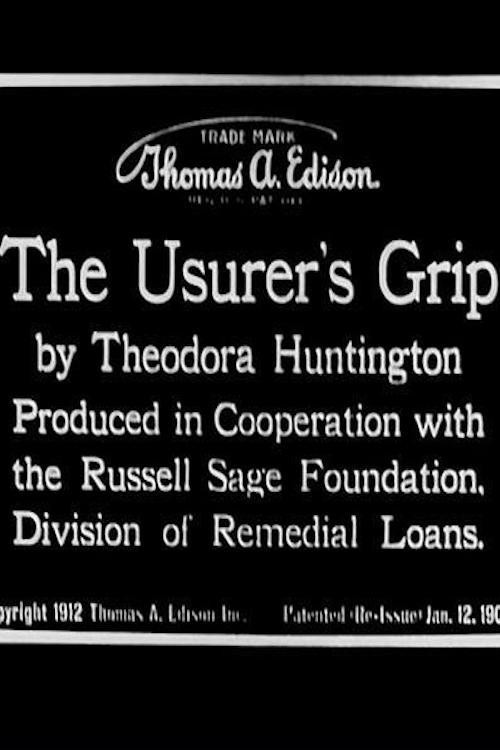
The Usurer's Grip 1912
Directed by Charles Brabin for the Edison Company, *The Usurer's Grip (1912)* dives into the shadowy world of predatory lending, exposing the human toll of financial exploitation with a dramatic edge.
Director: Charles Brabin
Cast

Frequently Asked Questions
What is *The Usurer's Grip (1912)* about?
*The Usurer's Grip* follows the plight of individuals ensnared by a merciless usurer, whose relentless demands push them to the brink of ruin. The film contrasts the stark realities of financial exploitation with over-the-top melodrama, offering a raw look at how debt can unravel lives.
Who directed *The Usurer's Grip*?
*The Usurer's Grip* was directed by Charles Brabin, a prolific filmmaker known for his work with the Edison Company during the silent era.
Who stars in *The Usurer's Grip*?
The film features Walter Edwin, Gertrude McCoy, Edna May Weick, Charles Ogle, and Louise Sydmeth among its key cast members.
Is *The Usurer's Grip (1912)* worth watching?
While the film's melodramatic approach may not resonate with modern audiences, its historical significance and social themes make it a fascinating watch for silent cinema enthusiasts. The 15-minute runtime is a quick but impactful dive into early filmmaking's take on economic hardship.
How long is *The Usurer's Grip*?
*The Usurer's Grip* runs for 15 minutes.
About The Usurer's Grip (1912) — Edison's Silent-Era Tale of Debt and Desperation
Directed by Charles Brabin for the Edison Company, *The Usurer's Grip (1912)* dives into the shadowy world of predatory lending, exposing the human toll of financial exploitation with a dramatic edge. This silent-era short film, starring Walter Edwin and Gertrude McCoy, blends stark realism with melodrama as it follows the desperate struggles of those ensnared by a ruthless usurer, played with chilling authority by Charles Ogle. The 15-minute runtime packs a punch, oscillating between poignant social commentary and heightened emotional stakes, all wrapped in the gritty moral ambiguity of early 20th-century cinema.
The film's atmosphere crackles with tension, a stark reminder of how economic desperation can twist lives into tragic narratives. While rooted in the Edison Company's signature style, *The Usurer's Grip* stands out for its unflinching portrayal of systemic injustice, even as it leans into the dramatic conventions of its time. Whether viewed as a historical artifact or a compelling snapshot of silent-era storytelling, it offers a fascinating glimpse into the cinematic treatment of class struggle and moral decay.