Young Lord Stanley 1910
In the early 20th century, the son of a wealthy Lord Stanley faces disinheritance and banishment from his family's estate. Young Lord Stanley (1910) embarks on a thrilling adventure to Africa in search of fortune and excitement.
Cast
Frequently Asked Questions
What is Young Lord Stanley (1910) about?
This silent film follows the story of a young man who is disinherited by his wealthy family and must navigate his new life in Africa, where he falls in love with a woman from a higher social class.
Who directed Young Lord Stanley?
Director information is not available.
Who stars in Young Lord Stanley?
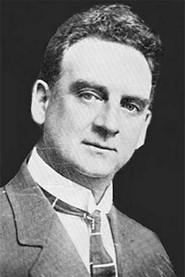
The talented cast of Young Lord Stanley includes the renowned Justus D. Barnes.
Is Young Lord Stanley (1910) worth watching?
While the film may not have a high IMDb rating, its unique blend of romance, adventure, and social commentary makes it a compelling watch for fans of early cinema.
How long is Young Lord Stanley?
Young Lord Stanley has a runtime of 14 minutes.
About Young Lord Stanley (1910) — A Tale of Love and Social Hierarchy
In the early 20th century, the son of a wealthy Lord Stanley faces disinheritance and banishment from his family's estate. Young Lord Stanley (1910) embarks on a thrilling adventure to Africa in search of fortune and excitement. As he takes on a new role as a horse groomer for a wealthy family, he finds himself drawn to their beautiful daughter. However, their social differences create a formidable obstacle to their love. With its themes of class, identity, and romance, this silent film is a captivating tale of self-discovery and perseverance.
Featuring a talented cast, including the charismatic Justus D. Barnes, Young Lord Stanley (1910) is a must-watch for fans of early cinema. The film's unknown director masterfully crafts an engaging narrative that explores the complexities of relationships and societal expectations. With its short runtime of 14 minutes, this film is an easy and enjoyable watch. If you're looking for a glimpse into the past, Young Lord Stanley (1910) is a great place to start.