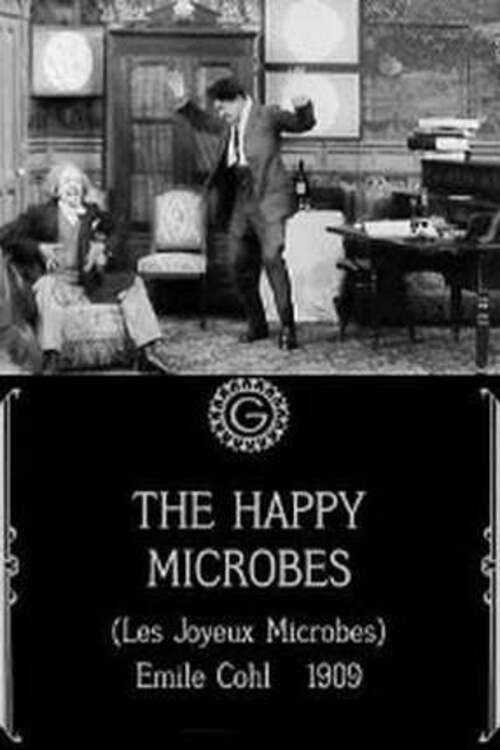
The Happy Microbes 1909
Émile Cohl's *The Happy Microbes (1909)* is a groundbreaking early animation short that blends comedy with scientific curiosity.
Director: Émile Cohl
Frequently Asked Questions
What is The Happy Microbes (1909) about?
This silent-era short follows a scientist who uses a microscope to turn body samples into animated caricatures of people like mothers-in-law and drunks. The microbes come to life in a playful, cartoonish fashion, offering a surreal and humorous take on early animation.
Who directed The Happy Microbes?
Émile Cohl, a French filmmaker and animator, directed *The Happy Microbes*. Known as a pioneer of animation, Cohl's work laid the foundation for future filmmakers in the genre.
Who stars in The Happy Microbes?
Cast details for *The Happy Microbes* are not listed, as the film is an early silent-era short without credited performers.
Is The Happy Microbes (1909) worth watching?
While it's a brief four-minute film with no IMDb rating, *The Happy Microbes* is historically significant as one of the earliest animated shorts. Its experimental style and playful themes make it a curious watch for animation fans and film historians.
How long is The Happy Microbes?
*The Happy Microbes* has a runtime of 4 minutes.
About The Happy Microbes (1909) — A Pioneering Early Animation Short
Émile Cohl's *The Happy Microbes (1909)* is a groundbreaking early animation short that blends comedy with scientific curiosity. In this four-minute gem, a scientist's microscope brings everyday substances like hair and phlegm to life, transforming them into animated caricatures of people such as mothers-in-law and drunks. The film captures the playful spirit of early cinema, where simple setups lead to whimsical visual gags. With its surreal charm and experimental animation, *The Happy Microbes* offers a glimpse into the dawn of animated storytelling, where even microscopic matter becomes a canvas for humor and invention.
Directed by the pioneering Émile Cohl, this silent-era short stands as a testament to early filmmakers' creativity. Though the cast isn't documented, Cohl's vision turns mundane lab samples into lively, exaggerated characters, poking fun at human foibles. The film's blend of science and satire, paired with its crude but effective animation, makes it a fascinating relic for animation enthusiasts and film historians alike.