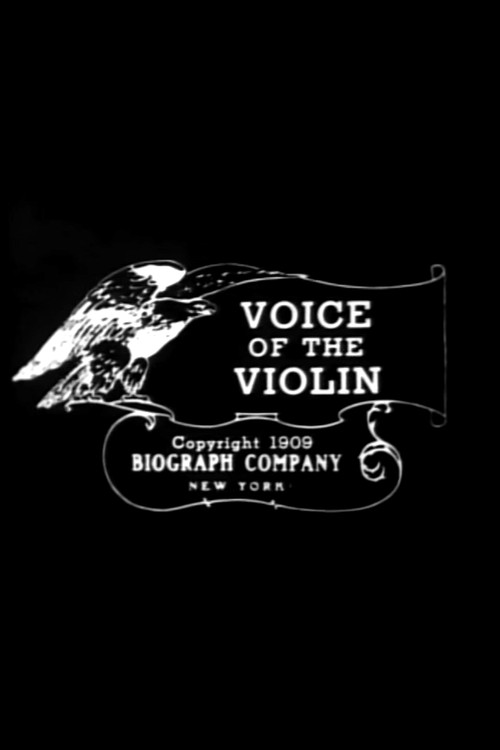
The Voice of the Violin 1909
Directed by pioneering silent-era filmmaker D.W. Griffith, *The Voice of the Violin* (1909) weaves a gripping tale of obsession, class divide, and the destructive power of misplaced vengeance. Arthur V.
Director: D.W. Griffith
Cast
Frequently Asked Questions
What is The Voice of the Violin (1909) about?
A music teacher's unrequited love for a student spirals into vengeful rage, pulling him into an anarchist plot to destroy a wealthy capitalist's home. The twist? It's his beloved student's house, forcing him to confront the consequences of his actions.
Who directed The Voice of the Violin?
D.W. Griffith, the legendary silent-film pioneer, crafted this visually striking drama as part of his early catalog of groundbreaking shorts.
Who stars in The Voice of the Violin?
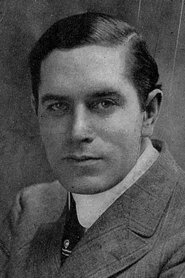
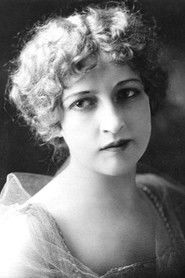
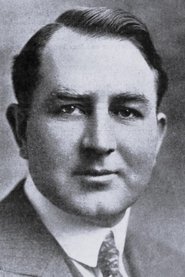
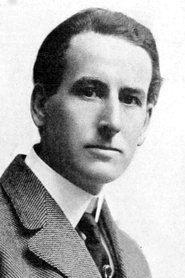
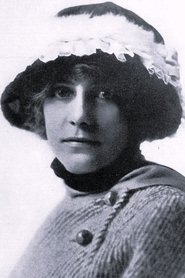
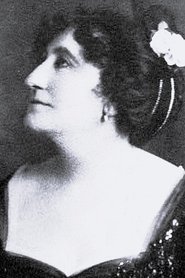
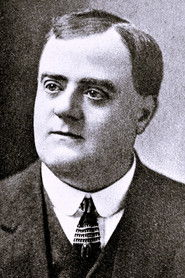
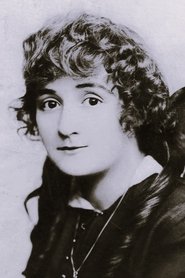
Arthur V. Johnson takes the lead role, with Marion Leonard as Helen, supported by Frank Powell, David Miles, and Linda Arvidson in key parts.
Is The Voice of the Violin (1909) worth watching?
As an early example of Griffith's cinematic craftsmanship, it offers historical value and a compelling moral dilemma. While its pacing and style reflect its 1909 origins, the core drama remains engaging for fans of silent-era storytelling.
How long is The Voice of the Violin?
The film runs just 16 minutes, a brisk runtime typical of early silent-era shorts.
🎥 Trailer
About The Voice of the Violin (1909) — A D.W. Griffith Short Film of Love, Betrayal, and Radical Danger
Directed by pioneering silent-era filmmaker D.W. Griffith, *The Voice of the Violin* (1909) weaves a gripping tale of obsession, class divide, and the destructive power of misplaced vengeance. Arthur V. Johnson stars as a passionate music teacher whose unrequited love for student Helen (Marion Leonard) curdles into bitterness when she rejects him. Consumed by heartbreak, he falls in with a radical anarchist faction plotting to destroy a wealthy capitalist's home—only to discover too late that the targeted mansion belongs to Helen's family. The film's tense narrative unfolds against Griffith's signature atmospheric style, blending melodrama with social commentary on extremism.
This early short drama thrives on its emotional immediacy and moral complexity, using stark black-and-white visuals to amplify the stark contrast between love and hatred. Griffith's direction emphasizes suspense, while Johnson and Leonard's performances ground the story in raw, relatable humanity. Themes of class resentment and personal ruin resonate subtly, making *The Voice of the Violin* a fascinating relic of early cinema's storytelling ambitions.