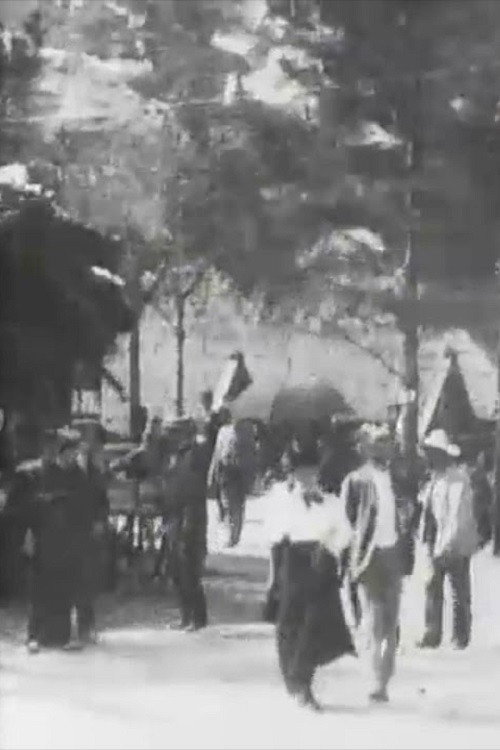
Swiss Village, No. 2 1900
Step into rural Switzerland of the late 1800s with *Swiss Village, No. 2* (1900), a rare silent-era glimpse of pastoral life. Directed by pioneering filmmaker James H.
Director: James H. White
Frequently Asked Questions
What is Swiss Village, No. 2 (1900) about?
This short film documents a day in Swiss village life, showing girls herding cows home and villagers gathering for a traditional dance. The scene captures the simple yet vibrant customs of rural Switzerland at the turn of the 20th century.
Who directed Swiss Village, No. 2?
James H. White directed this early silent film, known for his pioneering work in early motion pictures.
Who stars in Swiss Village, No. 2?
Cast details for this film are not available, reflecting the limited documentation of early silent-era productions.
Is Swiss Village, No. 2 (1900) worth watching?
While extremely short and simple by today's standards, *Swiss Village, No. 2* offers historical value as a glimpse into early cinema and 19th-century Swiss culture. Its authenticity and visual clarity make it a curiosity worth exploring for silent film enthusiasts.
How long is Swiss Village, No. 2?
The film runs for 2 minutes.
About Swiss Village, No. 2 (1900) — Early Cinema's Charming Snapshot of Swiss Rural Life
Step into rural Switzerland of the late 1800s with *Swiss Village, No. 2* (1900), a rare silent-era glimpse of pastoral life. Directed by pioneering filmmaker James H. White, this two-minute wonder captures the end of a day in a Swiss village as girls herd cows home, while their neighbors observe the scene with quiet amusement. The short film's crisp visuals, praised for their clarity, focus on a communal tradition: farmers return from pasture, and young villagers gather outside an old barn to perform a native dance. The atmosphere is warm yet nostalgic, blending rustic charm with the timeless joy of shared culture.
This early motion picture doesn't just document daily life—it celebrates it. The film's authentic portrayal of peasant traditions, from cattle-driving to folk dance, offers a window into 19th-century Swiss rural society. Though simple in structure, *Swiss Village, No. 2* stands as a testament to early cinema's power to preserve fleeting moments in living color, even through the monochrome lens of the era.