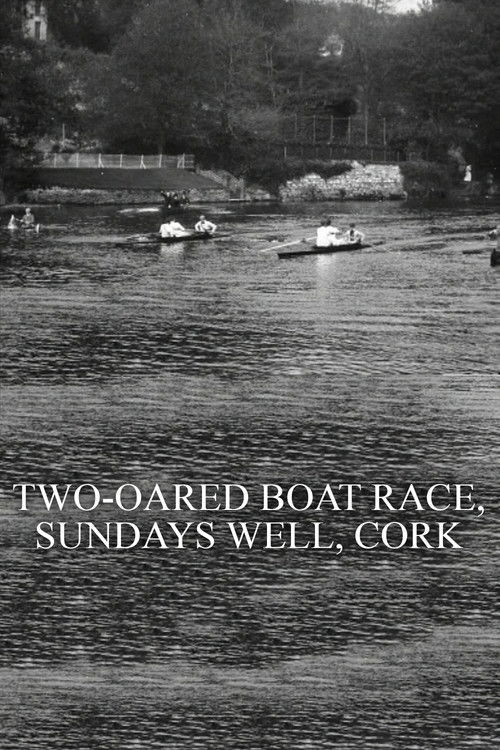
Two-Oared Boat Race, Sundays Well, Cork 1902
Captured in luminous black-and-white, Two-Oared Boat Race, Sundays Well, Cork (1902) offers a brief but vivid glimpse into Edwardian leisure culture.
Frequently Asked Questions
What is Two-Oared Boat Race, Sundays Well, Cork (1902) about?
This one-minute documentary captures a rowing race on the River Lee, set against the scenic backdrop of Sunday's Well in Cork. The film not only documents the competition but also showcases the picturesque river and shoreline, creating a snapshot of Edwardian-era leisure and local landscape.
Who directed Two-Oared Boat Race, Sundays Well, Cork?
Director information is not available.
Who stars in Two-Oared Boat Race, Sundays Well, Cork?
Cast details are not listed for this early documentary.
Is Two-Oared Boat Race, Sundays Well, Cork (1902) worth watching?
While extremely short and unrated, this documentary is a fascinating historical curio for fans of early cinema and Irish social history. Its scenic river views and sporting subject matter offer a serene, nostalgic experience that's easy to appreciate in just one minute.
How long is Two-Oared Boat Race, Sundays Well, Cork?
The film runs for 1 minute.
About Two-Oared Boat Race, Sundays Well, Cork (1902) — The earliest glimpse of Cork's sporting past on film
Captured in luminous black-and-white, Two-Oared Boat Race, Sundays Well, Cork (1902) offers a brief but vivid glimpse into Edwardian leisure culture. Commissioned by showman George Green for his dazzling cinematographic display at the Cork International Exhibition, this one-minute documentary tracks a leisurely rowing contest along the River Lee. The camera's elevated vantage point not only follows the skiffs as they glide across the water but also frames the wider canvas of the river and the charming Sunday's Well shoreline, bathing the scene in soft, nostalgic light. It's a fleeting slice of history that marries sporting competition with riverside tranquility, preserving a moment when motion pictures were still a fairground marvel and the world moved at a gentler pace.
Beyond the race itself, the film quietly celebrates the everyday beauty of Cork's urban landscape—a working river framed by suburban elegance and punctuated by the leisure pursuits of its citizens. Though modest in length, its historical resonance and picturesque backdrop make it a small but telling artifact of early cinema, offering modern viewers a serene portal back to 1902 Cork.