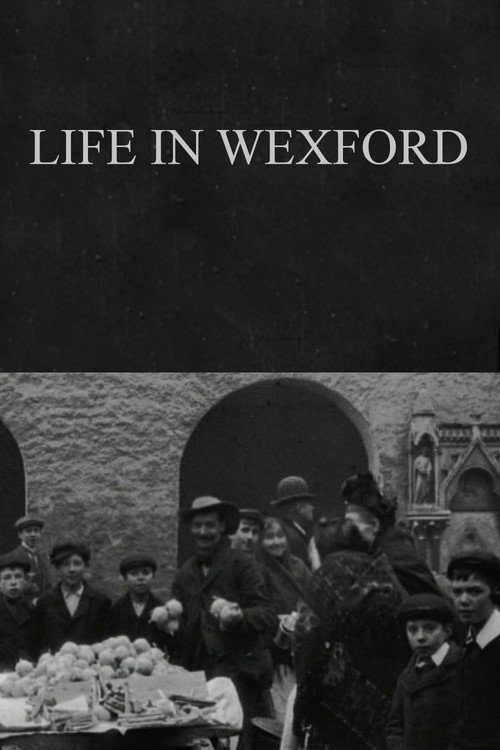
Life in Wexford 1902
Step back to the winter of 1902 and you'll find a crisp slice of Edwardian life captured in a trio of short films from the Bull Ring market in Wexford.
Frequently Asked Questions
What is Life in Wexford (1902) about?
This 1902 short documentary peeks into the daily hustle of Wexford's Bull Ring market. It captures local traders, children, police officers, and the town's mayor with his daughters during a two-day filming visit in January 1902.
Who directed Life in Wexford?
Director information is not available.
Who stars in Life in Wexford?
The cast list is not formally recorded, but the film features Wexford's Mayor in regalia, his daughters, local fishwives, children, and Royal Irish Constabulary officers.
Is Life in Wexford (1902) worth watching?
For silent-era enthusiasts and Irish history buffs, Life in Wexford offers a charming three-minute time capsule rather than a modern narrative. Its historical value outweighs dramatic stakes, making it a niche but fascinating watch.
How long is Life in Wexford?
Life in Wexford runs for approximately 3 minutes.
Life in Wexford (1902): A Three-Minute Edwardian Snapshot — Full Film Info
Step back to the winter of 1902 and you'll find a crisp slice of Edwardian life captured in a trio of short films from the Bull Ring market in Wexford. These fleeting glimpses—filmed over two days by cameraman Louis De C—show a bustling town square where fishwives in aprons haggle with children darting between stalls and officers of the Royal Irish Constabulary keep watch. Among the crowd strides the Mayor in full regalia, accompanied by his daughters, lending regal weight to an otherwise everyday scene. The footage later flickered on screens at Wexford's Theatre Royal, preserving a moment of community before cinema itself had fully learned to breathe.
Stitched together from three brief reels, Life in Wexford (1902) offers historians and film buffs a rare, unfiltered window into early 20th-century Ireland. There are no grand narratives here—just the quiet energy of commerce, the murmur of local dialects, and the unposed smiles of townsfolk who had no idea they were making history. The camera lingers on faces and fabrics, turning the marketplace into a living portrait of place and time.