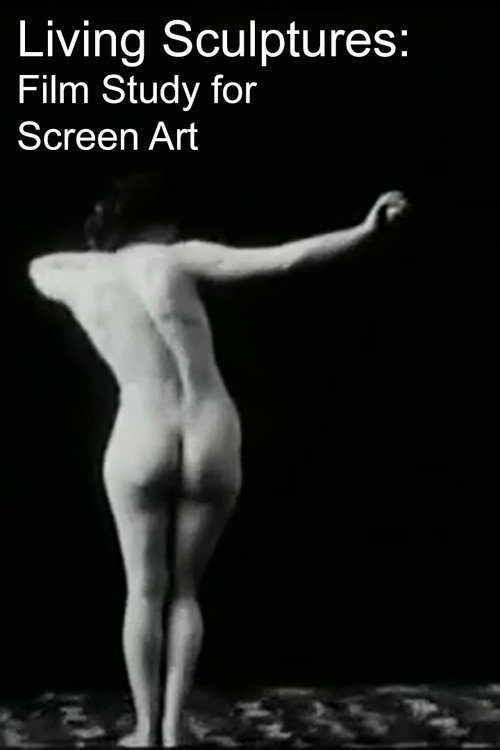
Living Sculptures: Film Study for Screen Artist 1903
Step into the world of early cinema with *Living Sculptures: Film Study for Screen Artist* (1903), a groundbreaking short documentary directed by Oskar Messter that blurs the line between film and art.
Director: Oskar Messter
Frequently Asked Questions
What is *Living Sculptures: Film Study for Screen Artist* (1903) about?
This short documentary features a nude couple in an artist's studio, captured in a circular traveling shot that transforms them into living sculptures. The film explores themes of beauty, vulnerability, and the intersection of art and movement.
Who directed *Living Sculptures: Film Study for Screen Artist*?
The film was directed by Oskar Messter, a pioneer in early German cinema known for his technical innovations and contributions to silent films.
Who stars in *Living Sculptures: Film Study for Screen Artist*?
The cast consists of an unnamed couple whose identities remain uncredited, as was common in early cinema.
Is *Living Sculptures: Film Study for Screen Artist* (1903) worth watching?
As one of the earliest experimental films, it's a fascinating artifact for film buffs and historians. While its runtime is brief and its themes may feel dated, its historical significance and Messter's innovative techniques make it a compelling watch.
How long is *Living Sculptures: Film Study for Screen Artist*?
The film runs for 4 minutes.
About Living Sculptures: Film Study for Screen Artist (1903) — The Birth of Experimental Cinema
Step into the world of early cinema with *Living Sculptures: Film Study for Screen Artist* (1903), a groundbreaking short documentary directed by Oskar Messter that blurs the line between film and art. This four-minute silent film captures a nude couple in an artist's studio, frozen in a tableau of raw emotion and classical grace. Shot in a circular traveling motion, the camera orbits the subjects as the woman kneels with her arm raised and the man bends forward, creating a sense of motion within stillness. The scene evokes themes of beauty, vulnerability, and the human form as art, offering a rare glimpse into early 20th-century experimental filmmaking.
One of the earliest examples of staged cinema, *Living Sculptures* showcases Messter's innovative techniques and his fascination with movement and composition. Though modest in length, the film's deliberate framing and dynamic camerawork make it a fascinating study for film enthusiasts and historians alike. Its historical significance lies in its bold approach to visual storytelling, paving the way for future cinematic experiments in dance, performance, and avant-garde film.