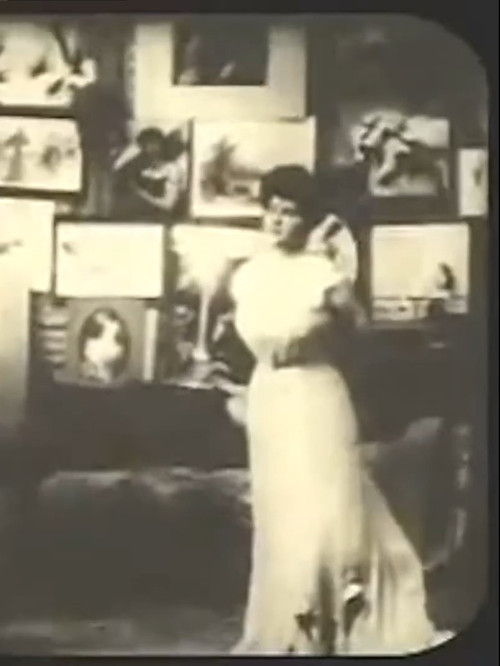
The Fate of the Artist's Model 1903
One of cinema's earliest dramatic short films, *The Fate of the Artist's Model* (1903) captures a poignant moment in silent-era storytelling.
Frequently Asked Questions
What is *The Fate of the Artist's Model* (1903) about?
The film tells the story of a young woman and her baby abandoned by her artist lover, highlighting the emotional toll of artistic ambition over personal commitment. It's a snapshot of early 20th-century drama, steeped in themes of betrayal and resilience.
Who directed *The Fate of the Artist's Model*?
Director information is not available for this 1903 silent short film.
Who stars in *The Fate of the Artist's Model*?
Cast details for this early silent film are not recorded, leaving the performers anonymous to history.
Is *The Fate of the Artist's Model* (1903) worth watching?
While it's a brief silent-era drama, the film's emotional depth and historical significance make it intriguing for early cinema fans. Its unrated status suggests it may not be widely known, but its themes of love and abandonment resonate universally.
How long is *The Fate of the Artist's Model*?
The runtime is approximately 3 minutes, typical of early silent films designed for short exhibition.
About The Fate of the Artist's Model (1903) — The Silent-Era Drama That Captured Love's Fleeting Fragility
One of cinema's earliest dramatic short films, *The Fate of the Artist's Model* (1903) captures a poignant moment in silent-era storytelling. Set against the bohemian backdrop of 1900s Paris, the film follows a young woman and her infant who are callously left behind by her lover—a painter whose passion for art eclipsed his commitment to her. The story unfolds in just three minutes but lingers with emotional weight, exploring themes of betrayal, abandonment, and the cost of artistic ambition. Through stark black-and-white visuals and expressive performances, it paints a haunting portrait of love's fragility in the face of creative pursuits.
Directed by an unnamed filmmaker, this early drama reflects the raw, unfiltered storytelling of the silent film era, where every frame carried narrative weight. While details about the cast remain lost to time, the film's enduring themes resonate as vividly today as they did over a century ago, making it a fascinating artifact for early cinema enthusiasts and lovers of period dramas alike.