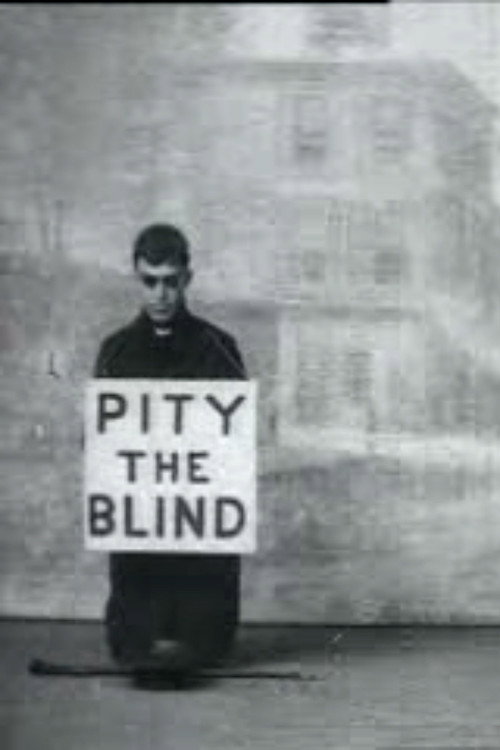
Pity the Blind, No. 2 1904
Pity the Blind, No. 2 (1904) offers a fascinating glimpse into early cinematic storytelling through its brief but poignant street scene.
Frequently Asked Questions
What is Pity the Blind, No. 2 (1904) about?
This brief silent comedy follows a young boy who leads a blind man onto a stage set resembling a city street. After positioning the man with his sign, hat, and cane, the boy exits while various townspeople—including a bowler-hatted gentleman and two well-dressed women—approach to offer charitable donations.
Who directed Pity the Blind, No. 2?
Director information is not available for this 1904 silent film.
Who stars in Pity the Blind, No. 2?
The main cast includes a young boy, a blind man as the central character, a gentleman wearing a bowler hat, and two well-dressed women, though specific actor names are not recorded in available historical data.
Is Pity the Blind, No. 2 (1904) worth watching?
While unrated and extremely brief at just one minute, this film holds significant value for silent cinema enthusiasts and historians. Its simple portrayal of street charity and early filmmaking techniques makes it an interesting curiosity piece rather than traditional entertainment.
How long is Pity the Blind, No. 2?
The runtime is 1 minute, making it one of the shortest films from the early cinema period.
Pity the Blind, No. 2 (1904): Early Silent Comedy Short — Full Movie Info
Pity the Blind, No. 2 (1904) offers a fascinating glimpse into early cinematic storytelling through its brief but poignant street scene. This one-minute silent comedy unfolds on a modest stage set designed to resemble an urban street corner, complete with sidewalks, park elements, and building facades. A young boy guides a blind man into the scene, helping him position himself kneeling before an audience with hat and cane at the ready. The boy then places a sign reading 'pity the blind' around the man's neck before exiting, leaving the beggar to receive charity from passersby.
A gentleman in a bowler hat approaches and generously drops a coin into the blind man's hat, followed by two elegantly dressed women who enter the scene while engaged in conversation. Though the director and cast remain unidentified in historical records, this short film represents the pioneering era of narrative filmmaking when simple human interactions were captured without dialogue or elaborate production values. The comedy lies in its gentle observation of social dynamics and charitable customs of the early 1900s. As an unrated film from cinema's infancy, Pity the Blind, No. 2 serves as both entertainment and historical artifact, showcasing how filmmakers of the time explored everyday scenarios with minimal resources but meaningful impact.
This brief cinematic experience appeals to silent film enthusiasts and those curious about the origins of motion pictures. Its single-minute runtime makes it easily digestible while providing insight into early 20th-century social attitudes toward disability and charity.