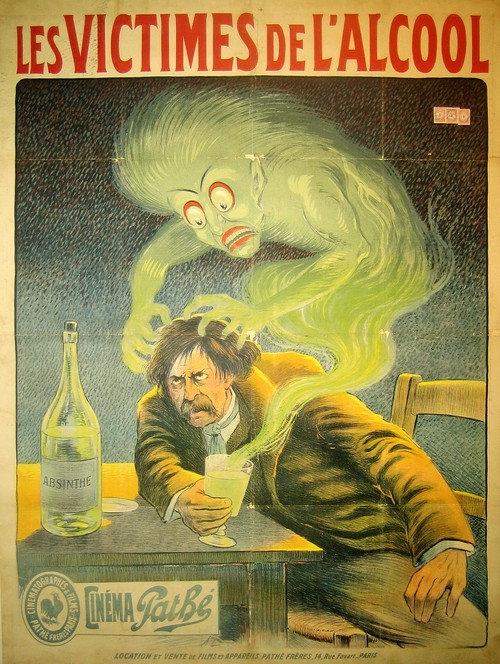
Alcohol and Its Victims 1902
In Ferdinand Zecca's early silent short *Alcohol and Its Victims (1902)*, a once-thriving household is shattered by the creeping shadow of addiction.
Director: Ferdinand Zecca
Frequently Asked Questions
What is Alcohol and Its Victims (1902) about?
This early silent drama follows a cheerful family whose lives unravel when the father's drinking spirals out of control. What begins as a story of happiness and togetherness descends into chaos, illustrating the devastating consequences of alcoholism in a pre-WWI era. The film captures the era's moralistic tone while delivering a surprisingly raw portrayal of addiction.
Who directed Alcohol and Its Victims?
Ferdinand Zecca, a groundbreaking French filmmaker, directed *Alcohol and Its Victims*. Known for his socially conscious shorts, Zecca blended entertainment with stark social commentary, influencing generations of filmmakers.
Who stars in Alcohol and Its Victims?
Cast details for *Alcohol and Its Victims (1902)* are not preserved, reflecting the limited documentation of early silent films. The cast likely consisted of stage actors or local performers, common in cinema's infancy.
Is Alcohol and Its Victims (1902) worth watching?
With its historical significance as one of cinema's first films to tackle addiction, *Alcohol and Its Victims (1902)* offers more than just nostalgic curiosity—it's a gripping moral tale. While its brevity and silent format may feel dated, Zecca's storytelling packs an emotional punch. For fans of early cinema or social dramas, it's a short but memorable experience.
How long is Alcohol and Its Victims?
The film runs for 6 minutes, a typical runtime for early silent shorts. Such concise storytelling was necessary given the technical limitations of the era.
🎥 Trailer
About Alcohol and Its Victims (1902) — The Silent Tragedy of Addiction in Early Cinema
In Ferdinand Zecca's early silent short *Alcohol and Its Victims (1902)*, a once-thriving household is shattered by the creeping shadow of addiction. What begins as a portrait of domestic bliss—a loving father, a content wife, and playful children—transforms into a stark cautionary tale as alcohol's grip tightens, eroding trust, security, and hope. Zecca, a pioneer of French cinema's moralistic storytelling, crafts a compact yet devastating narrative that unfolds with raw emotional urgency, using minimal dialogue and expressive visuals to convey the irreversible damage wrought by drink. The film's stark black-and-white cinematography amplifies the tragedy, immersing viewers in a world where laughter fades into silence and stability crumbles under the weight of personal demons.
As one of cinema's earliest explorations of substance abuse, *Alcohol and Its Victims (1902)* stands as both a historical artifact and a timeless warning. Its brevity belies its impact, leaving audiences to ponder the ripple effects of addiction long after the final frame. Zecca's direction blends social commentary with cinematic innovation, offering a glimpse into the moral dramas that would shape early filmmaking. For historians and silent cinema enthusiasts alike, this six-minute film is a poignant reminder of how storytelling can expose uncomfortable truths.