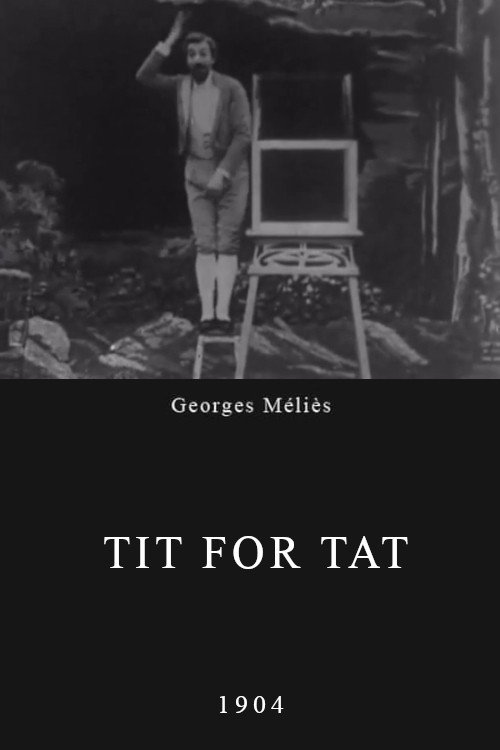
Tit for Tat 1904
Step behind the velvet curtain and into the mischievous workshop of early cinema's most daring illusionist as Georges Méliès takes playful revenge in *Tit for Tat (1904)*.
Director: Georges Méliès
Cast
Frequently Asked Questions
What is *Tit for Tat (1904)* about?
The film features Georges Méliès performing a self-decapitation trick that quickly spirals into a playful back-and-forth with his own severed head. The head retaliates by floating above him and dousing him with water, turning a magic act into a tiny comedy of revenge.
Who directed *Tit for Tat*?
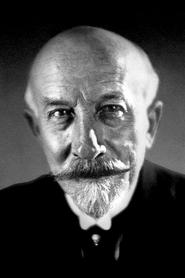
The short film was directed by Georges Méliès, the pioneering French filmmaker and illusionist known for blending magic with early cinematic innovation.
Who stars in *Tit for Tat*?
The film features Georges Méliès in the leading role, performing both the magician and his own mischievous adversary.
Is *Tit for Tat (1904)* worth watching?
While short and silent, *Tit for Tat* offers a delightful glimpse into Méliès' creativity and humor, making it a fun watch for fans of early cinema and silent comedy. Its unique concept and playful tone stand out even over a century later.
How long is *Tit for Tat*?
The film runs approximately 2 minutes.
About Tit for Tat (1904): A Head-Spinning Silent Comedy of Revenge
Step behind the velvet curtain and into the mischievous workshop of early cinema's most daring illusionist as Georges Méliès takes playful revenge in *Tit for Tat (1904)*. In this two-minute trick film, Méliès performs a self-decapitation that feels like a magic trick gone rogue: his severed head floats inside a glass cage, only to retaliate by hovering overhead and soaking him in an impish water shower. The whimsical short blends slapstick humor with proto-surreal visual gags, capturing the spirit of Méliès' signature style—where magic meets mischief and the impossible feels deliciously personal.
A playful commentary on pranks and payback, *Tit for Tat (1904)* breathes life into early silent cinema with its spirited tone and clever use of practical effects. Set against a backdrop of Méliès' signature theatrical charm, the film turns a simple trick into a miniature spectacle of cause and effect, proving that even in 1904, cinema could deliver laughs—and a little well-aimed revenge—in under the blink of an eye.