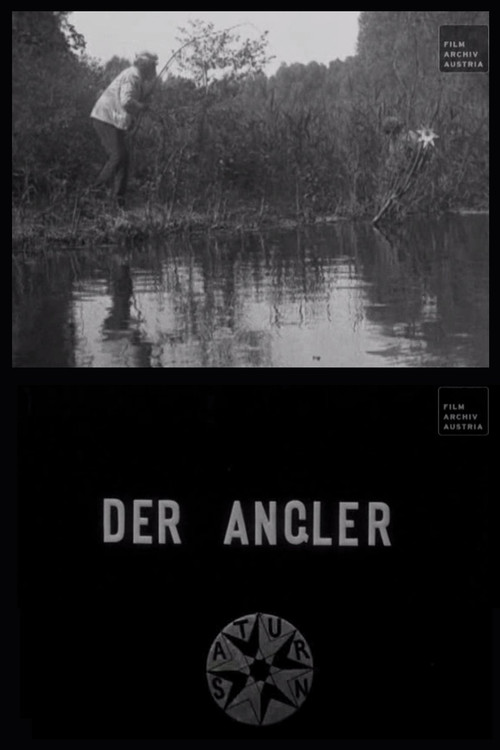
The Angler 1907
Directed by the pioneering Johann Schwarzer in 1907, *The Angler* (1907) is a rare surviving short comedy from early cinema that blends playful innocence with a hint of subversive charm.
Director: Johann Schwarzer
Frequently Asked Questions
What is The Angler (1907) about?
The film captures two women taking a spontaneous break from herb-picking to cool off in a forest river. Their refreshing dive into the water unfolds with a mix of naturalness and playful daring, set against a picturesque backdrop.
Who directed The Angler?
The Angler was directed by Johann Schwarzer, a key figure in early Austrian cinema known for experimenting with narrative and visual storytelling.
Who stars in The Angler?
The cast details for The Angler (1907) are not listed, as early silent films of this era often did not credit performers.
Is The Angler (1907) worth watching?
As a 3-minute silent comedy from 1907, The Angler offers a fascinating snapshot of early filmmaking, blending naturalism with a touch of cheeky freedom. While not a narrative epic, its historical and thematic curiosity makes it a rewarding watch for silent film enthusiasts.
How long is The Angler?
The Angler (1907) runs for approximately 3 minutes.
About The Angler (1907) — Discover the playful escape that defined early silent cinema
Directed by the pioneering Johann Schwarzer in 1907, *The Angler* (1907) is a rare surviving short comedy from early cinema that blends playful innocence with a hint of subversive charm. Set in a sun-dappled forest, the film follows two women—a mature figure in simple rural attire and a younger companion in more refined dress—as they pause their herb-picking to cool off in a nearby river. Their refreshing dip unfolds with a lighthearted spontaneity that feels both natural and slightly daring for the era, capturing a fleeting moment of joy against the backdrop of nature's beauty.
The Angler (1907) stands out for its candid portrayal of leisure and freedom, using minimal dialogue and relying instead on the visual storytelling that defined the silent era. The contrast between the women's ages and social cues adds an intriguing layer to the scene, while the flowing camerawork enhances the dreamy, almost whimsical atmosphere. Though modest in runtime, this three-minute gem offers a fascinating glimpse into early cinematic experimentation and the evolving norms of on-screen representation.