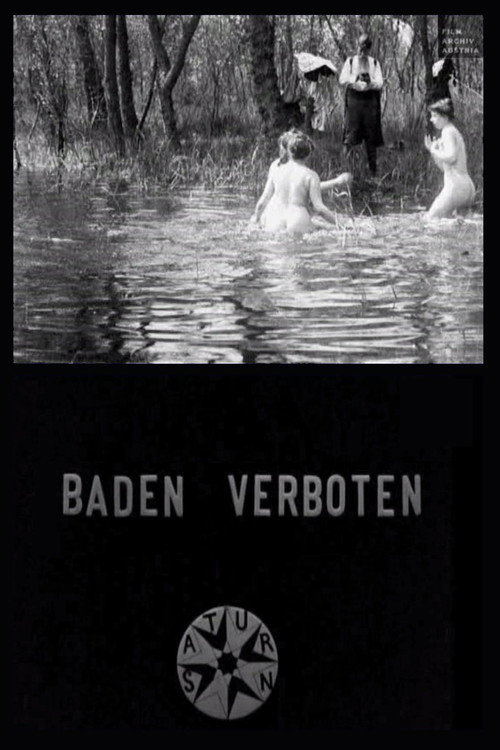
Bathing Forbidden 1906
Directed by Johann Schwarzer in 1906, *Bathing Forbidden* is an early silent comedy that blends playful innocence with a dash of mischief.
Director: Johann Schwarzer
Frequently Asked Questions
What is Bathing Forbidden (1906) about?
The short silent film follows three young women enjoying a swim in a lake, only to be interrupted by a forest watcher who chases them away. Their playful escape—clothes in tow—turns into a comedic pursuit through the woods, blending lighthearted mischief with early cinema's flirtation with taboo.
Who directed Bathing Forbidden?
Johann Schwarzer is credited as the director of *Bathing Forbidden*, a filmmaker known for his work in early Austrian cinema.
Who stars in Bathing Forbidden?
The cast details are not listed, a common occurrence for films from this era, leaving the identities of the performers a mystery.
Is Bathing Forbidden (1906) worth watching?
As a one-minute silent comedy, *Bathing Forbidden* offers a glimpse into early filmmaking and social attitudes of the time. While it's more of a historical curiosity than a masterpiece, its playful energy and bold subject matter make it a quirky watch for silent film fans.
How long is Bathing Forbidden?
The film runs for approximately 1 minute.
About Bathing Forbidden (1906) — The playful silent comedy that defied norms
Directed by Johann Schwarzer in 1906, *Bathing Forbidden* is an early silent comedy that blends playful innocence with a dash of mischief. The film captures three young women reveling in a sunlit lake, their laughter echoing through the water as they splash and swim—until a stern forest watcher emerges from the woods. His feigned shyness quickly gives way to determination as he chases the startled bathers through the trees, their discarded clothes clinging to branches like silent witnesses to the chaos. The contrast between the carefree joy of the women and the watcher's unexpected pursuit creates a lighthearted yet tantalizing moment, wrapped in the curiosity of early cinema's fascination with the human form and social norms.
This one-minute curiosity is more than just a novelty; it's a snapshot of early 20th-century attitudes toward modesty and leisure. Schwarzer's direction leans into the absurdity of the situation, turning a simple prank into a comedic chase that feels both timeless and distinctly of its era. The film's minimalist approach—relying on movement, facial expressions, and the play of light in water—makes it a fascinating artifact for silent film enthusiasts and historians alike.