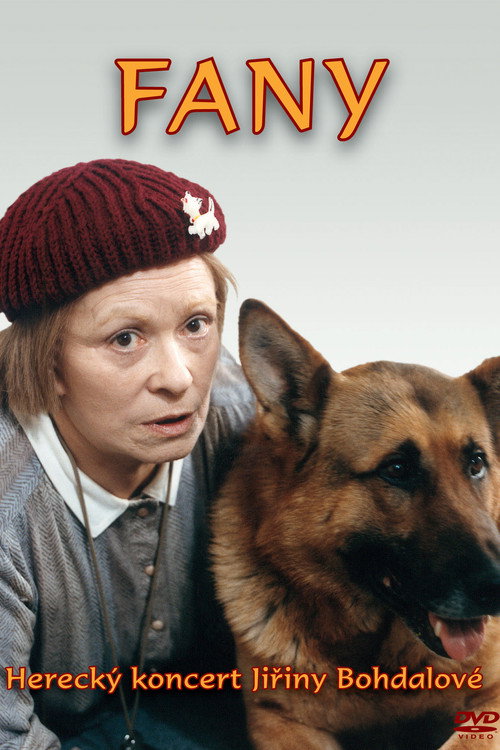
Fany 1995
"Sister's love does not need a common sense"
In this touching 1995 drama-comedy from director Karel Kachyňa, the quiet life of Fany (Jiřina Bohdalová), a woman with an intellectual disability, is upended when her aunt leaves for travel abroad.
Director: Karel Kachyňa
Cast
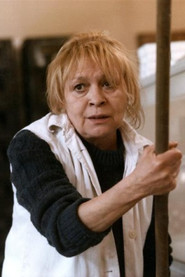
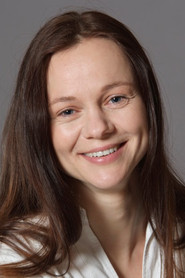
Frequently Asked Questions
What is Fany (1995) about?
*Fany* follows a woman with an intellectual disability as she adjusts to life with her highly educated sister after her aunt departs. Their unconventional bond becomes a journey of mutual growth, teaching them both about understanding, tolerance, and the beauty in life's small moments.
Who directed Fany?
Karel Kachyňa directed *Fany*, bringing his signature blend of drama and warmth to this intimate character study.
Who stars in Fany?
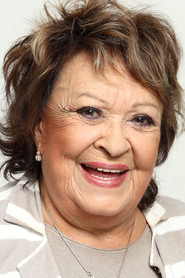
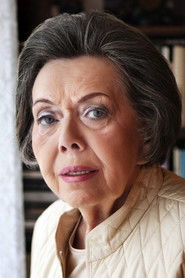
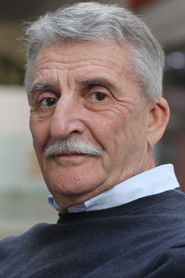
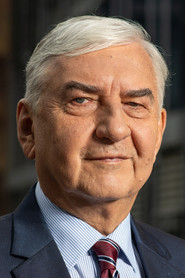
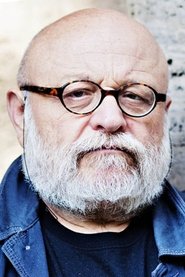
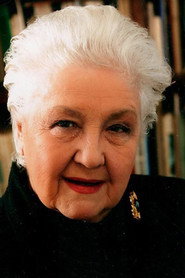
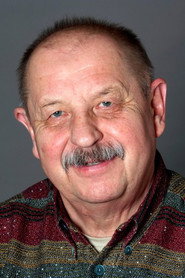
The film stars Jiřina Bohdalová as Fany, Jiřina Jirásková as her sister, with standout performances from Martin Huba, Miroslav Donutil, and Antonie Hegerliková.
Is Fany (1995) worth watching?
While not widely rated, *Fany* offers a unique and heartfelt exploration of family dynamics and personal growth. Fans of character-driven dramas with a balance of humor and emotion will likely appreciate its gentle charm and meaningful themes.
How long is Fany?
*Fany* runs for 99 minutes.
About Fany (1995) — A heartfelt story of sisterhood and unexpected lessons
In this touching 1995 drama-comedy from director Karel Kachyňa, the quiet life of Fany (Jiřina Bohdalová), a woman with an intellectual disability, is upended when her aunt leaves for travel abroad. Forced to move in with her sharp-witted sister—an esteemed doctor played by Jiřina Jirásková—Fany navigates a world of unexpected contrasts and shared lessons on patience, vulnerability, and the simple joys of life. The film weaves humor and heartache as these two very different women discover the transformative power of tolerance.
Set against a backdrop of everyday struggles and small triumphs, *Fany (1995)* explores themes of loneliness and connection through its gentle yet insightful storytelling. With supporting turns from Martin Huba, Miroslav Donutil, and Antonie Hegerliková, the movie blends sharp dialogue with moments of quiet reflection, making it a poignant reflection on humanity's shared experiences.