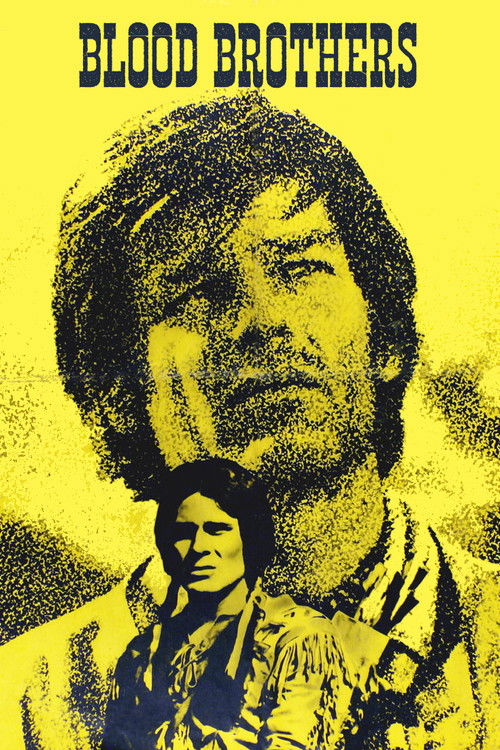
Blood Brothers 1975
Werner W. Wallroth's *Blood Brothers (1975)* unfolds against the brutal backdrop of 1864 America, where the infamous Sand Creek Massacre becomes the catalyst for an unexpected bond.
Director: Werner W. Wallroth
Cast



Frequently Asked Questions
What is *Blood Brothers (1975)* about?
Set during the Sand Creek Massacre, the film follows Harmonika, a disillusioned soldier who deserts after witnessing atrocities. Captured by the Cheyenne, he's accused of killing the chief's family before being given a chance to prove his innocence and earn their trust.
Who directed *Blood Brothers*?
Werner W. Wallroth helmed this 1975 Western-drama, blending historical gravity with character-driven storytelling.
Who stars in *Blood Brothers*?
The cast features Dean Reed, Gojko Mitić, Gisela Freudenberg, Jörg Panknin, and Cornel Ispas in pivotal roles.
Is *Blood Brothers (1975)* worth watching?
*Blood Brothers* may not be a household name, but its blend of Western tension and dramatic depth makes it a hidden gem. The themes of redemption and cultural clash add layers beyond typical frontier tales, though its unrated status means expectations should be tempered.
How long is *Blood Brothers*?
The film runs for 92 minutes.
About Blood Brothers (1975) — A Soldier's Redemption Among the Cheyenne
Werner W. Wallroth's *Blood Brothers (1975)* unfolds against the brutal backdrop of 1864 America, where the infamous Sand Creek Massacre becomes the catalyst for an unexpected bond. Harmonika, a soldier appalled by the slaughter of a Cheyenne village, deserts the army and is captured by the tribe. Mistakenly blamed for the death of Chief Grauer Esel's family, he must navigate trust and retribution to find redemption in this gripping Western-drama hybrid.
The film masterfully blends historical weight with raw emotion, exploring themes of honor, forgiveness, and the fragile line between enemies and allies. With its sweeping landscapes and intense character dynamics, *Blood Brothers* delivers a story that lingers long after the credits roll—one of survival, moral reckoning, and the unlikeliest of kinship.