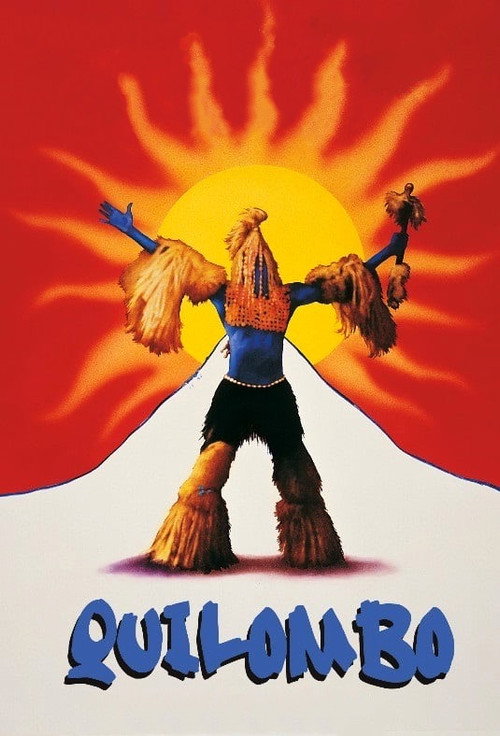
Quilombo 1984
Immerse yourself in the untold story of Quilombo, a democratic society born in 17th-century Brazil. Director Carlos Diegues masterfully weaves a tale of freedom and self-discovery, as a community of freed slaves creates a safe haven for outcasts from various walks of life.
Director: Carlos Diegues
Cast






Frequently Asked Questions
What is Quilombo (1984) about?
Quilombo tells the story of a democratic society born in 17th-century Brazil, where a community of freed slaves creates a safe haven for outcasts from various walks of life.
Who directed Quilombo?
Quilombo was directed by the acclaimed Brazilian filmmaker Carlos Diegues.
Who stars in Quilombo?
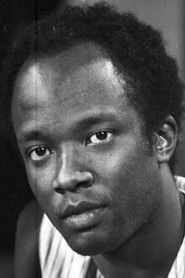
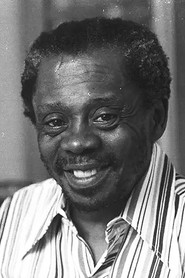
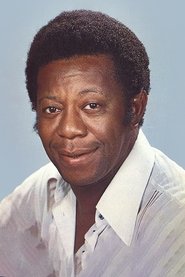
The film features a talented cast, including Tony Tornado, Antônio Pompêo, Zezé Motta, and Grande Otelo.
Is Quilombo (1984) worth watching?
While its IMDb rating is unrated, Quilombo's epic scope, historical significance, and powerful themes make it a compelling watch for fans of historical dramas.
How long is Quilombo?
The film has a runtime of 120 minutes.
About Quilombo (1984) — A Gripping Tale of Freedom and Self-Discovery
Immerse yourself in the untold story of Quilombo, a democratic society born in 17th-century Brazil. Director Carlos Diegues masterfully weaves a tale of freedom and self-discovery, as a community of freed slaves creates a safe haven for outcasts from various walks of life. The film's epic scope and historical significance make it a gripping watch, especially for fans of historical dramas. With a star-studded cast, including Tony Tornado and Zezé Motta, Quilombo (1984) is a cinematic experience that will leave you in awe of the human spirit's capacity for resilience and cooperation.
As the Portuguese ruling class seeks to subjugate the thriving Quilombo community, its leaders must navigate the treacherous waters of politics and power. Ganga Zumba, the colony's first freely elected leader, emerges as a symbol of hope and resistance in the face of oppression. Diegues' vision of a utopian society serves as a poignant reminder of the possibilities that arise when people come together in the pursuit of freedom and equality. Quilombo (1984) is a powerful and thought-provoking film that will resonate with viewers long after the credits roll.