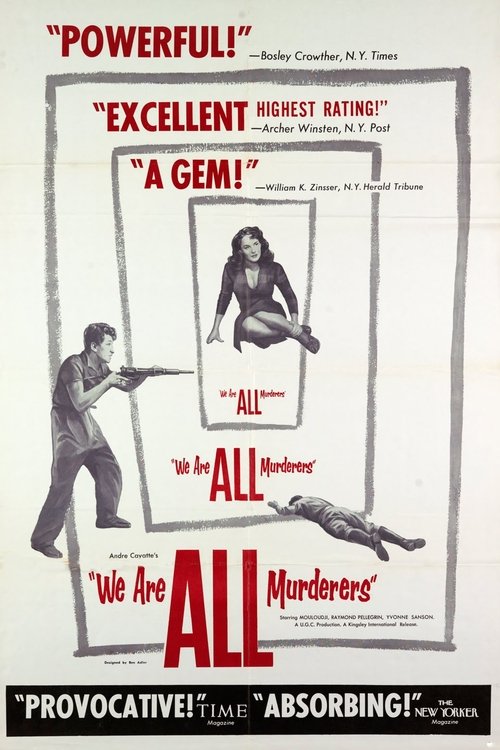
We Are All Murderers 1952
Directed by the sharp-eyed André Cayatte, a former lawyer who turned filmmaker to spotlight France's brutal execution system, *We Are All Murderers* (1952) plunges into the dark heart of a society that executes its own.
Director: André Cayatte
Cast


Frequently Asked Questions
What is We Are All Murderers (1952) about?
The film follows four convicted murderers as they navigate the final days leading to their execution in France's penal system. Through their stories, it examines the dehumanizing rituals of state justice and the moral weight of capital punishment.
Who directed We Are All Murderers?
André Cayatte directed the film. A former lawyer, Cayatte was known for his socially conscious dramas that tackled controversial legal and moral issues.
Who stars in We Are All Murderers?
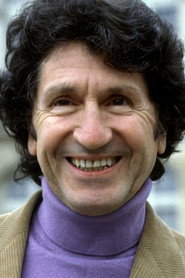
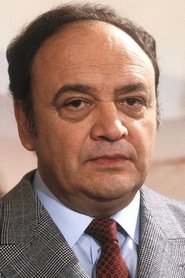
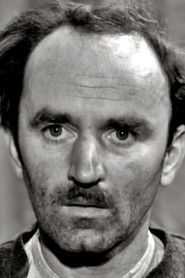
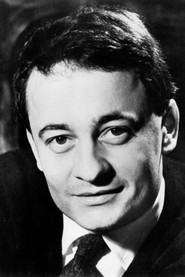
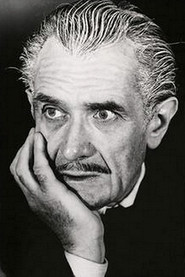
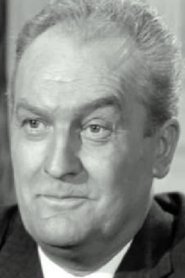
The film features standout performances from Marcel Mouloudji, Raymond Pellegrin, Antoine Balpêtré, and Julien Verdier in the lead roles.
Is We Are All Murderers (1952) worth watching?
While it lacks a modern rating, *We Are All Murderers* remains a compelling watch for fans of socially charged dramas. Its unflinching portrayal of capital punishment and Cayatte's legal background lend it historical weight and thematic depth.
How long is We Are All Murderers?
The film runs for 117 minutes.
🎥 Trailer
About We Are All Murderers (1952) — A Raw Probe into Crime, Punishment, and France's Guillotine System
Directed by the sharp-eyed André Cayatte, a former lawyer who turned filmmaker to spotlight France's brutal execution system, *We Are All Murderers* (1952) plunges into the dark heart of a society that executes its own. The film follows four hardened criminals—each portrayed with raw intensity by Marcel Mouloudji, Raymond Pellegrin, Antoine Balpêtré, and Julien Verdier—through the cold machinery of justice, stripping away excuses to reveal the raw mechanics of guilt and punishment. Cayatte's courtroom dramas always carried a moral sting, but here, the guillotine itself becomes the antagonist, a grotesque ritual that strips humanity from both victim and executioner alike. The atmosphere is bleak, the pacing relentless, as the film forces viewers to confront uncomfortable truths about responsibility, state-sanctioned violence, and the blurred line between justice and vengeance.
Cayatte's approach is uncompromising, rejecting any sentimental gloss on his protagonists. They are not tragic figures or misunderstood souls, but rather men whose crimes have cemented their fates within a system that offers no redemption. The film's stark black-and-white cinematography mirrors the moral austerity of its narrative, creating a tone that is as haunting as it is thought-provoking. *We Are All Murderers* isn't just a crime drama—it's a scathing indictment of a society that rationalizes murder in the name of order.