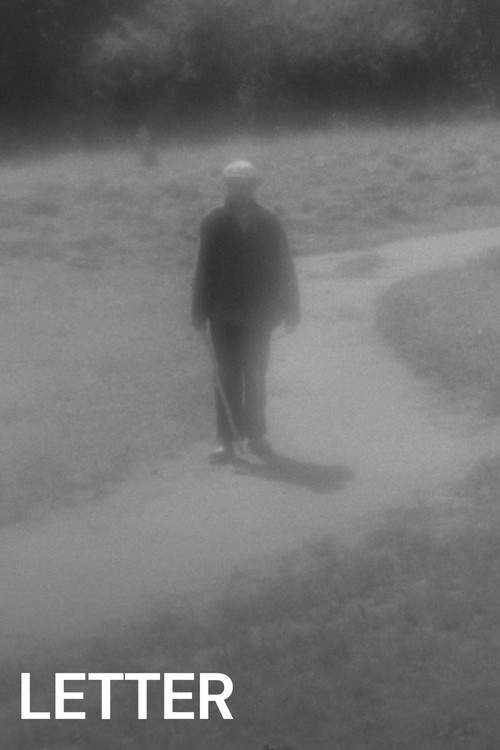
The Letter 2013
Directed by Sergei Loznitsa, *The Letter (2013)* immerses viewers in the eerie quiet of a remote Russian village in the Northwest, where a decaying wooden mental asylum stands almost forgotten by time.
Director: Sergei Loznitsa
Frequently Asked Questions
What is The Letter (2013) about?
*The Letter (2013)* transports you to a remote Russian village where a decaying asylum houses residents living in silent coexistence with their surroundings. Bereft of dialogue and conventional narrative, the film explores themes of isolation, memory, and the blurred line between presence and absence through stark, meditative imagery.
Who directed The Letter?
Sergei Loznitsa directed *The Letter (2013)*. Known for his contemplative documentaries, Loznitsa crafts visually rich films that probe the quiet corners of human experience.
Who stars in The Letter?
Cast information for *The Letter (2013)* is not listed.
Is The Letter (2013) worth watching?
As a 20-minute documentary, *The Letter (2013)* offers a uniquely atmospheric experience best suited to viewers who appreciate slow, introspective cinema. While lacking traditional narrative or cast credits, Loznitsa's direction and the film's eerie beauty make it a compelling watch for fans of poetic, visually driven storytelling.
How long is The Letter?
*The Letter (2013)* has a runtime of 20 minutes.
About The Letter (2013) — A Haunting Visual Poem of Isolation and Forgotten Lives
Directed by Sergei Loznitsa, *The Letter (2013)* immerses viewers in the eerie quiet of a remote Russian village in the Northwest, where a decaying wooden mental asylum stands almost forgotten by time. The film strips away conventional narrative, instead weaving a haunting visual tapestry of empty corridors, mist-laden landscapes, and fleeting glimpses of anonymous souls adrift in their own silent world. Loznitsa's lens lingers on the fragile intersection between existence and oblivion, capturing a society untouched by modernity—where pain is silent, voices are absent, and the boundaries between reality and phantasm blur into a dreamlike haze.
Stripped of dialogue and conventional storytelling, *The Letter (2013)* operates as a poetic meditation on isolation, memory, and the fragility of human presence. The asylum and its surroundings become characters themselves, their weathered wood and shifting light evoking a sense of temporal suspension. Loznitsa crafts a film that feels less like a documentary and more like a hypnotic journey into a lost epoch, where time moves unhurried and the weight of history presses softly against the edges of the frame.