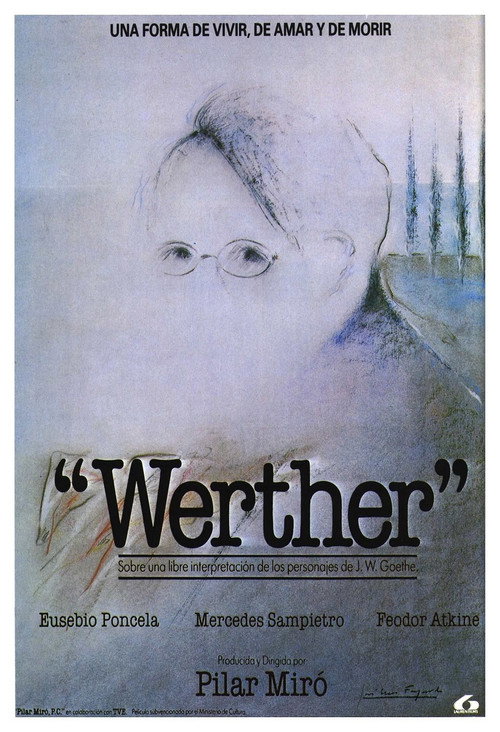
Werther 1986
Dive into the restrained yet deeply emotional world of *Werther (1986)*, Pilar Miró's stark adaptation of Goethe's classic tale, reimagined against the backdrop of 19th-century Spain.
Director: Pilar Miró
Cast


Frequently Asked Questions
What is Werther (1986) about?
*Werther (1986)* follows a tutor whose quiet passion for a married woman—a groundbreaking surgeon in 19th-century Spain—spirals into an emotional abyss. As their connection deepens, his unrequited love becomes a consuming force, challenging both their lives and the societal norms of their time.
Who directed Werther?
Pilar Miró, the acclaimed Spanish director known for her bold visual style and intimate storytelling, helmed *Werther (1986)*.
Who stars in Werther?
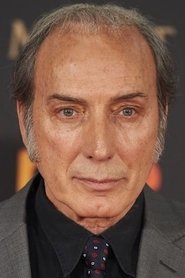
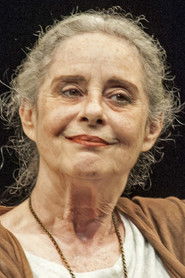
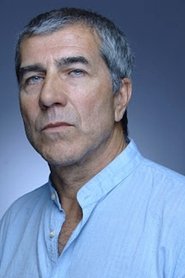
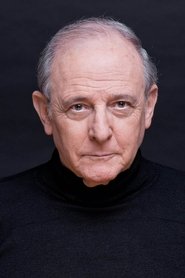
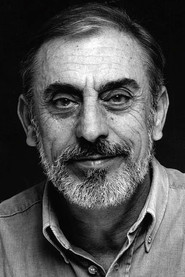
The film stars Eusebio Poncela as Werther, Mercedes Sampietro as the surgeon, and features standout performances from Féodor Atkine, Vicky Peña, and Luis Hostalot.
Is Werther (1986) worth watching?
With its stark atmosphere and strong performances, *Werther (1986)* is a compelling watch for fans of slow-burn dramas. While not a mainstream hit, its thematic depth and Pilar Miró's direction make it a standout adaptation of Goethe's work.
How long is Werther?
The film runs for 105 minutes.
About Werther (1986) — A Poignant Spanish Adaptation of Goethe's Tragic Romance
Dive into the restrained yet deeply emotional world of *Werther (1986)*, Pilar Miró's stark adaptation of Goethe's classic tale, reimagined against the backdrop of 19th-century Spain. This atmospheric drama unfolds as Werther, a sensitive tutor played by Eusebio Poncela, becomes entangled in a forbidden romance with a progressive woman, Mercedes Sampietro, whose role as a surgeon defies societal norms. Their connection burns with quiet intensity, exposing the fragility of love and the weight of unspoken desires. Miró crafts a visually chilling narrative where passion simmers beneath a veneer of propriety, leaving viewers to question the true cost of emotion in a rigid world.
Stripped of melodrama, *Werther (1986)* explores themes of longing, restraint, and the inescapable pull of fate. The film's measured pacing mirrors its characters' internal battles, with Poncela delivering a haunting performance that lingers long after the credits roll. Set in a time when women breaking barriers in medicine were rare, the story becomes a poignant study of societal constraints and personal rebellion. For fans of introspective romance and period dramas, this adaptation offers a fresh, thought-provoking take on Goethe's timeless tragedy.