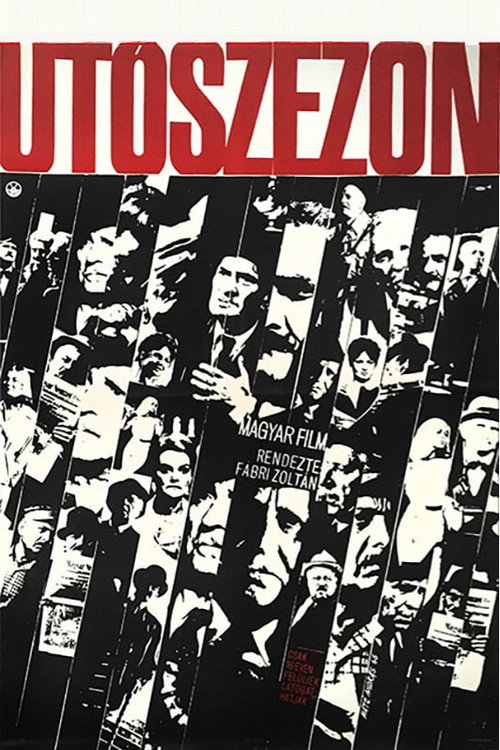
Late Season 1967
Late Season (1967), a darkly comedic drama by acclaimed Hungarian filmmaker Zoltán Fábri, unfolds like a psychological chess match where guilt and mistaken identity collide.
Director: Zoltán Fábri
Cast

Frequently Asked Questions
What is Late Season (1967) about?
The film follows Kerekes, a man who returns to his hometown and is confronted with accusations that he betrayed a Jewish couple during WWII. As his friends play a cruel trick involving a mock trial, he descends into a psychological spiral, questioning his own memories and morality.
Who directed Late Season?
Zoltán Fábri, a celebrated Hungarian director known for his sharp, socially conscious films that blend drama with dark humor.
Who stars in Late Season?
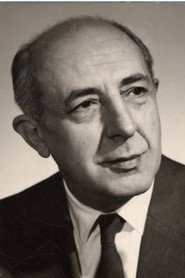
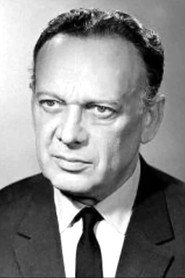
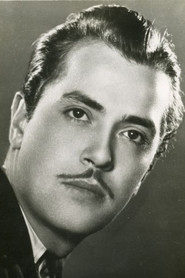
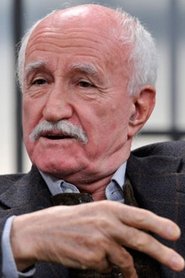
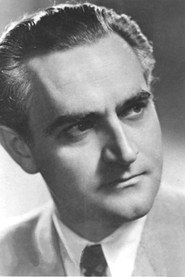
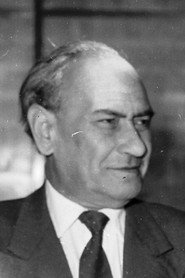
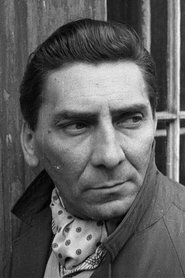
The film features a talented cast including Noémi Apor, Samu Balázs, Lajos Básti, Gyula Benkő, and Gyula Kamarás.
Is Late Season (1967) worth watching?
Late Season (1967) is a compelling watch for fans of psychological dramas with a dash of dark comedy. While it doesn't have an IMDb rating, its themes of guilt and memory make it a thought-provoking entry in Zoltán Fábri's filmography. If you enjoy films that challenge your perspective, this one's worth your time.
How long is Late Season?
Late Season runs for 119 minutes, offering a tight yet impactful narrative.
About Late Season (1967) — When a practical joke spirals into a haunting self-examination of guilt
Late Season (1967), a darkly comedic drama by acclaimed Hungarian filmmaker Zoltán Fábri, unfolds like a psychological chess match where guilt and mistaken identity collide. Set against the backdrop of post-war Hungary, the story follows Kerekes, a man who, upon returning to his hometown, finds himself haunted by whispers that he betrayed a Jewish couple to the Nazis—a crime he insists he never committed. The deeper he digs, the more his past blurs with a twisted game orchestrated by his former friends, who subject him to a mock trial that cuts to the bone. As flashbacks and hallucinations blur reality, the film explores themes of collective guilt, memory, and the fragility of truth in a society still grappling with its scars.
Fábri's direction masterfully balances sharp humor with unsettling tension, crafting a narrative that lingers long after the credits roll. The performances, led by Noémi Apor and Samu Balázs, anchor the film's emotional core, making Late Season (1967) a standout in the comedy-drama genre—one that challenges viewers to question how far a joke can go before it becomes a tragedy.