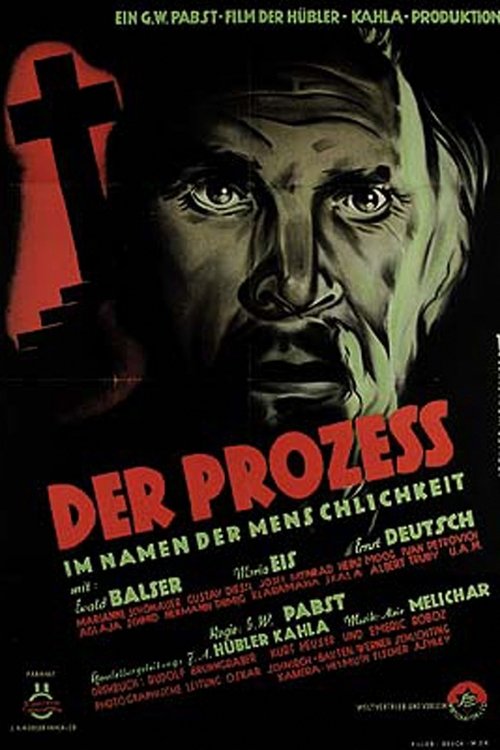
The Trial 1948
G.W. Pabst's gripping 1948 drama *The Trial* unfolds in a Hungarian village where a young woman's disappearance ignites a wave of suspicion and unfounded accusations against the Jewish community.
Director: G.W. Pabst
Cast




Frequently Asked Questions
What is The Trial (1948) about?
Set in 1882 Hungary, the film follows a small village's descent into chaos after a young woman vanishes, with locals blaming the Jewish population. As the community turns against itself, the story becomes a gripping study of fear, injustice, and the fight to uphold truth.
Who directed The Trial?
The Trial was directed by G.W. Pabst, a master of European cinema known for his socially conscious films that blend drama with sharp critiques of societal flaws.
Who stars in The Trial?
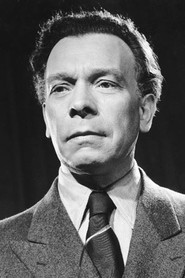
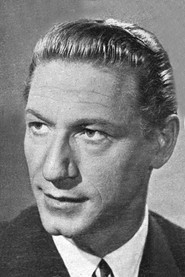
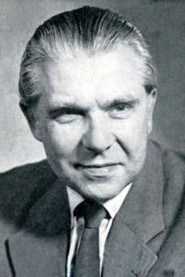
The film features Maria Eis, Aglaja Schmid, Marianne Schönauer, Ewald Balser, and Ernst Deutsch as the core cast, each bringing depth to this tense historical drama.
Is The Trial (1948) worth watching?
While not rated on IMDb, *The Trial* is a compelling drama driven by its historical weight and thematic urgency. Fans of thought-provoking cinema will appreciate Pabst's direction and the film's unflinching look at bigotry and resilience.
How long is The Trial?
The Trial has a runtime of 104 minutes.
About The Trial (1948) — A Dark Exploration of Prejudice and Moral Courage
G.W. Pabst's gripping 1948 drama *The Trial* unfolds in a Hungarian village where a young woman's disappearance ignites a wave of suspicion and unfounded accusations against the Jewish community. Set against the claustrophobic backdrop of 1882 rural Europe, the film explores how fear and prejudice can distort justice, turning a small town into a battleground of intolerance. As tensions rise, the story becomes a powerful examination of stubbornness, systemic racism, and the courage required to challenge injustice, all while capturing the suffocating atmosphere of a society gripped by hysteria.
Led by Maria Eis in a standout role, the ensemble cast—including Aglaja Schmid and Ewald Balser—delivers performances that ground Pabst's stark vision in raw human emotion. With its unflinching portrayal of moral decay and resilience, *The Trial (1948)* remains a hauntingly relevant meditation on how societies can either perpetuate harm or rise to confront it.