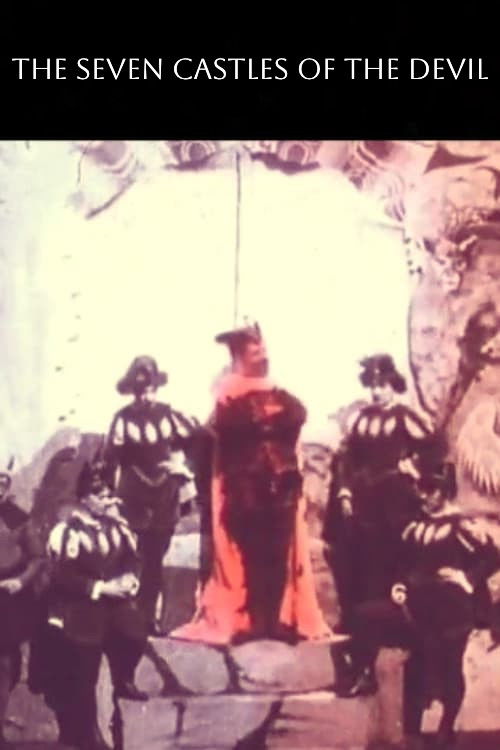
The Seven Castles of the Devil 1901
Step into the eerie world of early cinema with *The Seven Castles of the Devil (1901)*, a mesmerizing short film directed by Ferdinand Zecca. This silent-era fantasy drama weaves a haunting tale of a discontented woodcutter seduced by the Devil's promises of wealth and power.
Director: Ferdinand Zecca
Frequently Asked Questions
What is The Seven Castles of the Devil (1901) about?
This early silent film follows a disillusioned woodcutter who makes a Faustian pact with the Devil, embarking on a surreal journey through seven enchanted castles. Each castle represents one of the Seven Capital Sins, as the protagonist's growing greed and ambition blur his moral judgment. The story unfolds like a nightmarish fairy tale, blending fantasy with psychological depth.
Who directed The Seven Castles of the Devil?
The film was directed by Ferdinand Zecca, a pioneering French filmmaker known for his innovative work in early cinema and trick effects.
Who stars in The Seven Castles of the Devil?
Cast details for this 1901 production are not listed; however, the film's visual storytelling relies heavily on expressive performances typical of silent-era actors.
Is The Seven Castles of the Devil (1901) worth watching?
While it may lack the narrative complexity of modern films, *The Seven Castles of the Devil* is a fascinating historical artifact worth watching for its technical ambition and atmospheric storytelling. Its groundbreaking effects and moral allegory offer a glimpse into the dawn of cinema, making it a must-see for silent film enthusiasts.
How long is The Seven Castles of the Devil?
The film runs for 11 minutes, offering a concise yet impactful viewing experience.
About The Seven Castles of the Devil (1901) — A Dark Fairy Tale of Temptation and Trick Effects
Step into the eerie world of early cinema with *The Seven Castles of the Devil (1901)*, a mesmerizing short film directed by Ferdinand Zecca. This silent-era fantasy drama weaves a haunting tale of a discontented woodcutter seduced by the Devil's promises of wealth and power. As they journey through seven mystical castles, each fortress embodies one of the Seven Capital Sins, serving as a dark mirror to the protagonist's growing moral corruption. Zecca's pioneering use of trick effects—like multiple exposures and dissolves—blurs the line between reality and illusion, creating an atmosphere thick with dread and surrealism.
A product of its time yet ahead of its technical era, this féerie unfolds with a visual poetry that feels both archaic and strikingly modern. The film's stark contrasts and symbolic storytelling invite viewers to ponder themes of temptation, redemption, and the seductive allure of vice. Though brief, its impact lingers, making it a fascinating relic for film historians and a curious watch for lovers of early fantasy cinema.