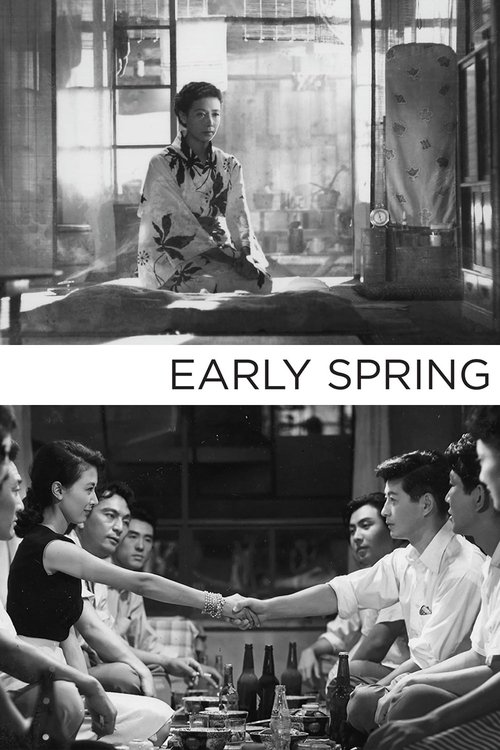
Early Spring 1956
Yasujirō Ozu's *Early Spring (1956)* delicately unfolds the quiet disillusionment of a Tokyo office worker and his wife, their marriage sinking into a slow, unspoken distance.
Director: Yasujirō Ozu
Cast
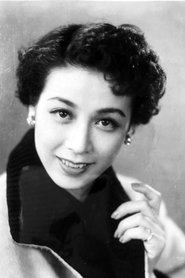
Chikage Awashima
Masako Sugiyama
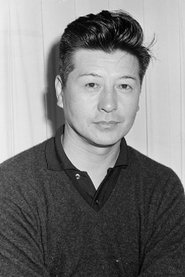
Ryō Ikebe
Shôji Sugiyama
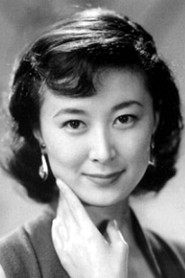
Keiko Kishi
Chiyo Kaneko aka Goldfish
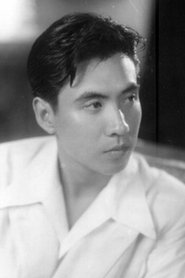
Teiji Takahashi
Taizo Aoki
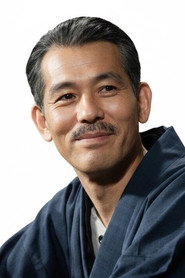
Chishū Ryū
Kiichi Onodera
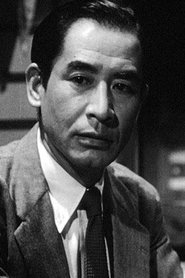
So Yamamura
Yutaka Kawai
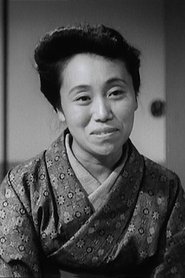
Haruko Sugimura
Tamako Tamura
Takako Fujino
Terumi Aoki
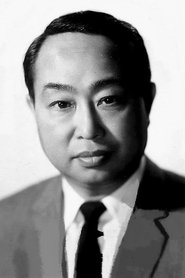
Daisuke Katō
Sakamoto
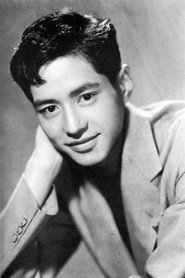
Masami Taura
Koichi Kitagawa
Frequently Asked Questions
What is *Early Spring (1956)* about?
*Early Spring* follows a young Tokyo salaryman and his wife as their once-passionate relationship slowly erodes under the weight of unspoken frustration. Trapped in the monotony of city life, the husband's fleeting affair becomes a desperate attempt to reclaim the intimacy they've lost, revealing the quiet despair beneath the surface of their marriage.
Who directed *Early Spring*?
*Early Spring* was directed by Yasujirō Ozu, the legendary Japanese filmmaker renowned for his meditative, humanistic storytelling that often explored family and generational change.
Who stars in *Early Spring*?
The film stars Chikage Awashima as the wife, Ryō Ikebe as the weary salaryman, Keiko Kishi, Teiji Takahashi, Chishū Ryū in a memorable supporting role, and So Yamamura.
Is *Early Spring (1956)* worth watching?
Absolutely—if you appreciate slow-burn dramas that delve into the complexities of human relationships with profound subtlety. Ozu's masterful direction and the film's themes of emotional isolation make it a timeless reflection on love and societal expectations, though its deliberate pace may not appeal to those seeking high-energy narratives.
How long is *Early Spring*?
*Early Spring* has a runtime of 145 minutes.
🎥 Trailer
About Early Spring (1956): A Melancholic Love Story — Full Movie Info
Yasujirō Ozu's *Early Spring (1956)* delicately unfolds the quiet disillusionment of a Tokyo office worker and his wife, their marriage sinking into a slow, unspoken distance. Caught in the rhythm of city life yet emotionally adrift, the protagonist's fleeting affair offers only temporary escape from the emptiness of routine. Through Ozu's signature restrained framing and deep empathy, the film explores the fragility of love in modern society—where gestures of affection flicker against the weight of societal expectations. The dialogue, sparse and deliberate, lingers like the melancholic cherry blossoms that drift through the backdrop, symbolizing both beauty and transience.
The story captures the tension between duty and desire, as the characters navigate personal longing without ever breaking free from the structures that bind them. With its contemplative pace and understated performances, *Early Spring* mirrors the quiet heartbreak of everyday life, where silence often speaks louder than words. This masterpiece of Japanese cinema is a testament to Ozu's genius for finding profound emotion in the seemingly ordinary.