

Taboo 1999
"How am I insane?"
Directed by the provocative Nagisa Ōshima, *Taboo* (1999) immerses viewers in the rigid world of a samurai training compound during Japan's Shogun era.
Director: Nagisa Ōshima
Cast
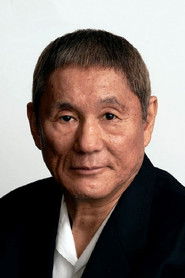
Takeshi Kitano
Toshizo Hijikata
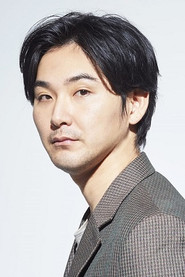
Ryuhei Matsuda
Sozaburo Kano
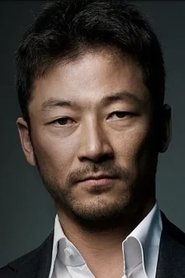
Tadanobu Asano
Hyozo Tashiro

Yōichi Sai
Isami Kondo

Shinji Takeda
Okita Sōji
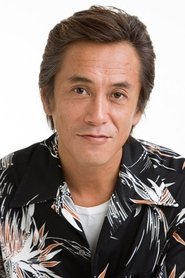
Susumu Terajima
Spy

Tomorowo Taguchi
Samurai Tojiro Yuzawa
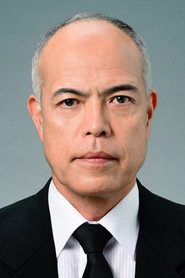
Yoji Tanaka
Samurai executed by Kanô

Kei Satō
Narrator (voice)
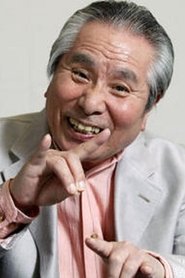
Jiro Sakagami
Frequently Asked Questions
What is Taboo (1999) about?
*Taboo* follows the intense dynamics within a samurai training school during Japan's Shogun era, where young warriors grapple with ambition, rivalry, and forbidden attraction. The arrival of the enigmatic Sozaburo Kano disrupts the fragile balance, forcing the master to confront whether tradition or personal desire will dictate the school's future.
Who directed Taboo?
Nagisa Ōshima, the legendary Japanese filmmaker known for his bold and often controversial works, directed *Taboo*.
Who stars in Taboo?
The film stars Takeshi Kitano as the stern master, alongside rising talents Ryuhei Matsuda, Tadanobu Asano, and Yōichi Sai in pivotal roles.
Is Taboo (1999) worth watching?
While unrated on IMDb, *Taboo* is a compelling watch for fans of historical drama and psychological thrillers. Ōshima's direction and the film's raw emotional core make it a standout entry in the genre, especially for those interested in samurai narratives with a darker twist.
How long is Taboo?
The film runs for 100 minutes.
🎥 Trailer
About Taboo (1999) — A Samurai Drama of Forbidden Desires and Brutal Loyalties
Directed by the provocative Nagisa Ōshima, *Taboo* (1999) immerses viewers in the rigid world of a samurai training compound during Japan's Shogun era. The story unfolds against a backdrop of stark discipline and simmering tension, where young warriors sharpen both their swords and their ambitions. At the center is Sozaburo Kano, a strikingly handsome samurai whose presence ignites rivalries and passions among his peers. As bonds fray and loyalties are tested, the film explores the blurred lines between honor and desire, madness and fate.
With its haunting atmosphere and unflinching focus on human frailty, *Taboo* blends historical drama with psychological thriller elements. Ōshima's direction crafts a visually striking and emotionally raw narrative, while Takeshi Kitano's commanding presence as the stern master anchors the film's moral conflict. The result is a meditation on rebellion, identity, and the cost of defiance in a society that demands conformity.