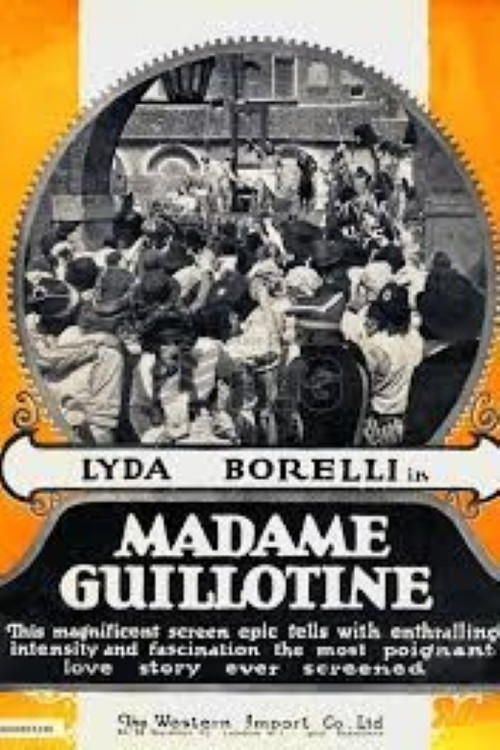
Madame Guillotine 1916
Madame Guillotine (1916) transports viewers to the fiery heart of the French Revolution, where aristocratic betrayal and revolutionary fervor collide in a sweeping period melodrama.
Director: Mario Caserini
Cast
Frequently Asked Questions
What is Madame Guillotine (1916) about?
This 1916 Italian historical drama follows a noblewoman who flees her unfaithful aristocratic husband and becomes entangled in the radical world of Robespierre's revolutionary circle. Her quest for love and vengeance unfolds against the backdrop of a society in turmoil, where loyalty is a luxury few can afford.
Who directed Madame Guillotine?
Madame Guillotine was directed by the Italian filmmaker Mario Caserini, a pioneer of early cinema known for his work in historical and melodramatic genres.
Who stars in Madame Guillotine?
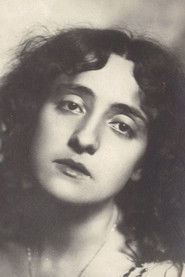
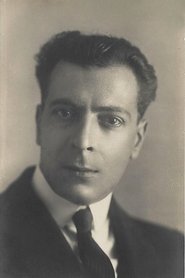
The film stars Lyda Borelli as the leading lady, alongside Amleto Novelli, Ettore Baccani, Ruggero Barni, and Orlando Ricci.
Is Madame Guillotine (1916) worth watching?
While Madame Guillotine lacks an IMDb rating for modern context, its historical drama appeal and Borelli's legendary performance make it a compelling watch for silent film enthusiasts. Fans of period pieces with emotional depth and striking visuals may find much to enjoy here, though expectations should align with early 20th-century storytelling.
How long is Madame Guillotine?
Madame Guillotine (1916) has a runtime of 84 minutes.
About Madame Guillotine (1916) — A Diva's Journey Through Revolution and Betrayal
Madame Guillotine (1916) transports viewers to the fiery heart of the French Revolution, where aristocratic betrayal and revolutionary fervor collide in a sweeping period melodrama. Directed by the visionary Mario Caserini, this historical drama stars the legendary Lyda Borelli as a noblewoman spurned by her unfaithful husband, who seeks solace and empowerment in the radical folds of Robespierre's regime. The film breathes life into 19th-century France with vivid contrasts: opulent ballrooms give way to shadowy revolutionary plots, while Borelli's commanding presence anchors a story rich in passion, intrigue, and the inexorable march toward justice—or vengeance. The atmosphere crackles with tension, as love and ideology blur in a world on the brink of upheaval.
Madame Guillotine isn't just a showcase for Borelli's magnetic performance; it's a time capsule of early cinema's melodramatic grandeur, blending historical gravitas with intimate drama. Borelli's character embodies the era's contradictions—elegance and defiance, privilege and protest—as she navigates a society tearing itself apart. With Caserini's expert direction, the film captures the feverish energy of revolution, where personal betrayal and political ideals become indistinguishable. Fans of grand historical sagas or Italian silent cinema will find much to admire in this forgotten gem, a testament to Borelli's star power and the storytelling ambitions of 1910s cinema.