Guitar Drag 2000
Guitar Drag (2000) is a provocative 14-minute experimental documentary by acclaimed multimedia artist Christian Marclay that transforms musical destruction into a powerful artistic statement.
Director: Christian Marclay
Frequently Asked Questions
What is Guitar Drag (2000) about?
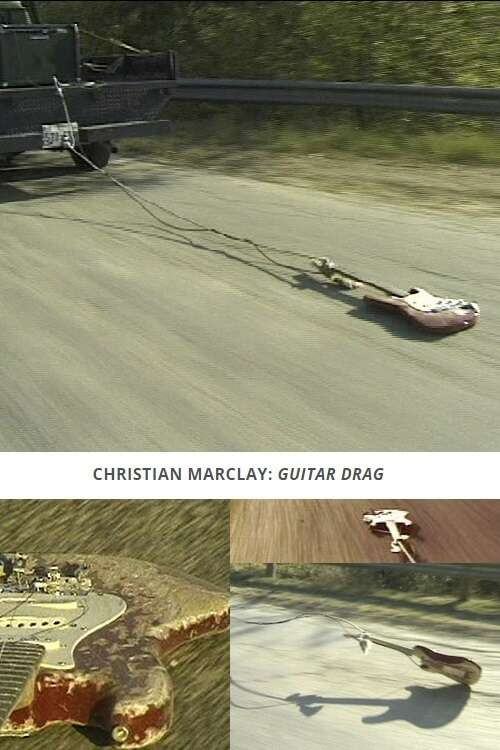
This experimental short follows artist Christian Marclay as he drags an electric guitar behind a pickup truck in Texas, creating a harsh soundscape while making a powerful reference to a tragic racist murder that occurred in the area in 1998.
Who directed Guitar Drag?
The film was directed by Christian Marclay, a renowned multimedia artist known for his innovative works exploring the relationship between sound and visual media.
Who stars in Guitar Drag?
Cast information is not available for this experimental documentary, as it focuses primarily on the artistic concept and performance rather than traditional acting roles.
Is Guitar Drag (2000) worth watching?
Despite its short runtime, Guitar Drag offers a unique and thought-provoking experience for viewers interested in experimental music and politically charged art. Its powerful fusion of sound art and social commentary makes it a compelling, if challenging, watch.
How long is Guitar Drag?
The documentary runs for 14 minutes.
Guitar Drag (2000): Christian Marclay's provocative noise documentary — Full Movie Info
Guitar Drag (2000) is a provocative 14-minute experimental documentary by acclaimed multimedia artist Christian Marclay that transforms musical destruction into a powerful artistic statement. Filmed on location in Texas, this short film captures the visceral act of dragging an electric guitar behind a pickup truck, generating a harsh, cacophonic soundtrack that echoes the abrasive aesthetics of noise music and the ritualistic instrument destruction often seen in rock concerts and Fluxus performance art.
Beyond its sonic experimentation, Guitar Drag carries profound political weight, serving as a stark reference to the brutal 1998 murder of James Byrd Jr., an African American man who was dragged to his death by a truck in the same region. Through this unsettling juxtaposition of artistic gesture and historical tragedy, Marclay creates a haunting meditation on violence, racism, and the intersection of sound with trauma. The work challenges viewers to confront uncomfortable realities while experiencing an intense, immersive audiovisual landscape that blurs the boundaries between music, cinema, and social commentary.
This brief yet impactful documentary stands as a testament to Marclay's innovative approach to sound-based art, offering audiences a raw, uncompromising experience that lingers long after its short runtime concludes.