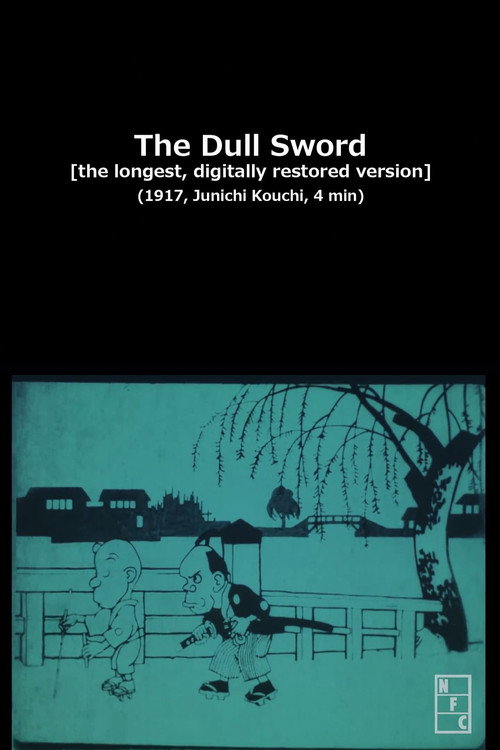
The Dull Sword 1917
In this 1917 Japanese animated short, a samurai discovers his newly purchased sword is already dull—a seemingly mundane frustration that spirals into the unexpected.
Director: Jun'ichi Kōuchi
Frequently Asked Questions
What is The Dull Sword (1917) about?
The film follows a samurai who buys a sword only to find it useless, leading to a humorous confrontation with the merchant. His frustration takes an unexpected turn, turning a simple complaint into a comedic spectacle. The short blends traditional samurai culture with early animation's playful unpredictability.
Who directed The Dull Sword?
Jun'ichi Kōuchi, a trailblazer in Japanese animation, directed this 1917 short. He was instrumental in pioneering anime and silent-era comedies.
Who stars in The Dull Sword?
Cast details are not listed, reflecting the film's 1917 origins when animation stars were rarely credited individually.
Is The Dull Sword (1917) worth watching?
As one of Japan's earliest animated films, *The Dull Sword* is a fascinating time capsule for animation historians and comedy fans alike. Its four-minute runtime packs surprising humor and charm, making it a fun watch for those interested in silent-era cinema or vintage animation.
How long is The Dull Sword?
The Dull Sword runs for 4 minutes.
About The Dull Sword (1917) — Japan's Earliest Animated Comedy Classic
In this 1917 Japanese animated short, a samurai discovers his newly purchased sword is already dull—a seemingly mundane frustration that spirals into the unexpected. Directed by the pioneering animator Jun'ichi Kōuchi, this four-minute silent comedy blends sharp wit with early animation techniques, creating a whimsical world where even the mightiest warriors are at the mercy of flawed craftsmanship. The film's playful animation style and deadpan humor explore themes of irony and human folly, wrapping a modern comedic twist around traditional samurai tropes. With its minimal runtime and maximal charm, *The Dull Sword (1917)* offers a delightful glimpse into the early days of animation, where even a tiny flaw can turn into a big laugh.
Though deceptively simple, the short's clever narrative and Kōuchi's innovative approach make it a standout in the comedy-animation genre. Its understated premise—a samurai's riotous confrontation with a defective merchant—belies a deeper commentary on trust and the absurdities of everyday life. Whether you're a history buff or an animation enthusiast, this vintage gem delivers a surprising dose of humor and nostalgia.