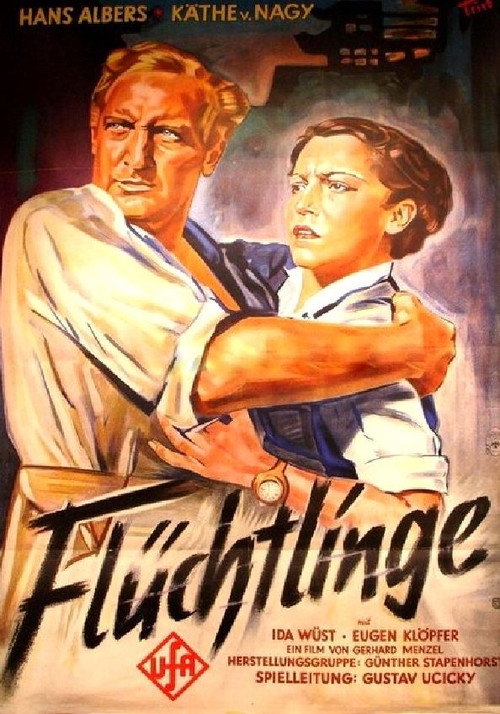
Refugees 1933
Directed by Gustav Ucicky, *Refugees (1933)* immerses audiences in the harsh realities faced by ethnic Germans uprooted from their Soviet homelands in Manchuria.
Director: Gustav Ucicky
Cast




Frequently Asked Questions
What is Refugees (1933) about?
This 1933 drama follows ethnic Germans—known as Volga Germans—forced to flee their Soviet homelands in Manchuria due to political persecution. The film depicts their harrowing journey as they seek refuge amid the chaos of war and displacement.
Who directed Refugees?
Gustav Ucicky directed *Refugees*, a filmmaker known for blending dramatic storytelling with historical themes in his works.
Who stars in Refugees?
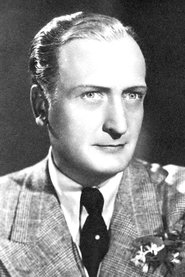
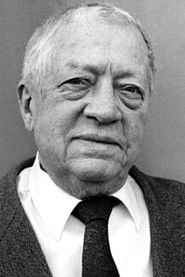
The film features a standout cast led by Hans Albers, Käthe von Nagy, and Eugen Klöpfer, with strong performances that drive the narrative forward.
Is Refugees (1933) worth watching?
While *Refugees (1933)* offers a gripping exploration of resilience and displacement, its historical context may limit its appeal to modern audiences. The film's dramatic intensity and strong performances make it a compelling watch for those interested in early war dramas.
How long is Refugees?
The runtime for *Refugees (1933)* is 87 minutes.
About Refugees (1933) — Drama and War Film Exploring Ethnic German Exodus
Directed by Gustav Ucicky, *Refugees (1933)* immerses audiences in the harsh realities faced by ethnic Germans uprooted from their Soviet homelands in Manchuria. This dramatic wartime narrative follows their perilous journey as they seek safety amid political upheaval, blending adventure with poignant human struggles. With a stark, atmospheric tone, the film captures the resilience and desperation of those torn from their roots, making it a compelling yet controversial entry in early 1930s cinema.
Starring Hans Albers and Käthe von Nagy, *Refugees (1933)* delivers a gripping portrayal of survival and displacement, anchored by Eugen Klöpfer's powerful supporting role. Though rooted in historical context, the film's themes of exile and resilience resonate beyond its era, offering a window into the human cost of war and ideological conflict. A bold exploration of identity and perseverance, it remains a significant work worth exploring for its cultural impact and dramatic storytelling.