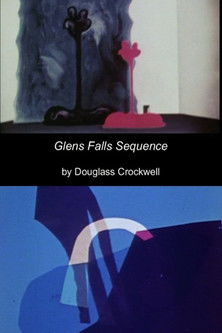
Glens Falls Sequence 1946
Step into the mesmerizing world of *Glens Falls Sequence* (1946), a groundbreaking abstract animated short crafted by visionary artist and animator Douglass Crockwell.
Director: Douglass Crockwell
Frequently Asked Questions
What is Glens Falls Sequence (1946) about?
This short film is an abstract exploration of color, texture, and movement, created without narrative constraints. It uses experimental techniques to transform paint and glass into a living canvas, blurring the line between painting and cinema. There's no plot in the traditional sense—just a mesmerizing visual journey.
Who directed Glens Falls Sequence?
Douglass Crockwell directed *Glens Falls Sequence*. A celebrated illustrator and animator, Crockwell pushed the boundaries of early animation with his hands-on, tactile approach to visual storytelling.
Who stars in Glens Falls Sequence?
Director information is not available.
Is Glens Falls Sequence (1946) worth watching?
*Glens Falls Sequence* isn't a conventional film, but for fans of abstract art or experimental animation, it's a fascinating artifact. As an unrated short with a runtime of just eight minutes, its value lies in its historical significance and artistic ambition—though it may not appeal to those expecting a traditional cinematic experience.
How long is Glens Falls Sequence?
The runtime of *Glens Falls Sequence* is eight minutes.
About Glens Falls Sequence (1946) — Dive into Crockwell's Abstract Animation Legacy
Step into the mesmerizing world of *Glens Falls Sequence* (1946), a groundbreaking abstract animated short crafted by visionary artist and animator Douglass Crockwell. Nestled in the quiet charm of Glen Falls, New York, this eight-minute experimental film showcases Crockwell's fearless approach to animation, blending unorthodox techniques like frame-by-frame paint manipulation, layered glass sheets, and tactile finger-painting into a hypnotic visual symphony. Far from conventional storytelling, the piece invites viewers into a fluid dreamscape where color and form dance beyond the boundaries of traditional cinema, offering a rare glimpse into the creative process of a true pioneer.
Though created between the late 1930s and mid-1940s, *Glens Falls Sequence* remains a testament to artistic innovation and personal freedom. The film's abstract nature invites endless interpretation, evoking emotions and images that transcend language. It's not just a movie—it's a sensory experience, a fleeting moment where art and animation merge into something both timeless and utterly unique.