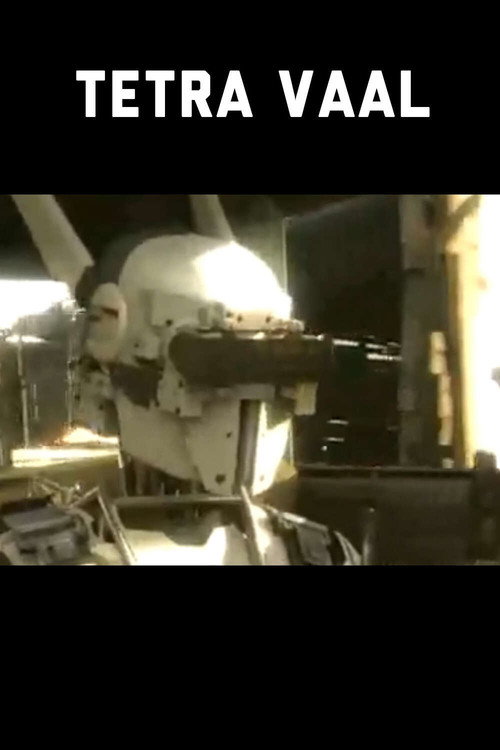
Tetra Vaal 2003
Neill Blomkamp's debut short film Tetra Vaal (2003) fuses gritty realism with razor-sharp sci-fi imagination, disguising a bold social commentary as a faux corporate advert for a robotic police force deployed in the global south.
Director: Neill Blomkamp
Frequently Asked Questions
What is Tetra Vaal (2003) about?
Tetra Vaal presents a satirical corporate advertisement for a high-tech robotic police unit deployed in marginalized regions. The film critiques the privatization of security using striking visuals and minimal dialogue.
Who directed Tetra Vaal?
Tetra Vaal was directed by South African filmmaker Neill Blomkamp, whose distinctive blend of social realism and speculative fiction later defined hits like District 9 and Elysium.
Who stars in Tetra Vaal?
Director information is not available.
Is Tetra Vaal (2003) worth watching?
As a raw, experimental short, Tetra Vaal offers a fascinating glimpse into Blomkamp's early style and thematic obsessions. Though unrated and extremely brief, its bold vision and technical flair make it essential viewing for fans of micro-budget sci-fi innovation.
How long is Tetra Vaal?
Tetra Vaal runs approximately 1 minute in length.
About Tetra Vaal (2003) — A 60-Second Sci-Fi Provocation by Neill Blomkamp
Neill Blomkamp's debut short film Tetra Vaal (2003) fuses gritty realism with razor-sharp sci-fi imagination, disguising a bold social commentary as a faux corporate advert for a robotic police force deployed in the global south. Shot on a shoestring budget yet polished by seamless CGI, the one-minute spectacle immerses viewers in a neon-lit dystopia where law enforcement is outsourced to towering metallic sentinels. The low-fi aesthetic clashes dramatically with the high-tech illusion, creating a uniquely atmospheric critique of privatized security and post-colonial power dynamics that would later define Blomkamp's feature-length masterpieces.
Tetra Vaal (2003) isn't just a technical showcase; it's a visual provocation, wrapping social anxiety inside the slick packaging of a product pitch. The film's compact runtime belies its weighty themes—surveillance, militarization, and the commodification of justice—all conveyed through stark visuals and eerie sound design. Whether viewed as a provocative statement or a dazzling technical demo, this micro-short solidified Blomkamp's reputation as a filmmaker unafraid to challenge audiences with bold, unsettling visions.