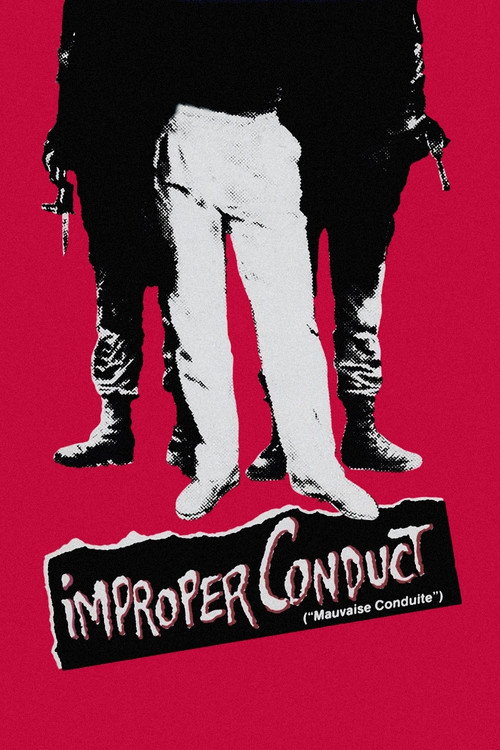
Improper Conduct 1984
Improper Conduct (1984), directed by the acclaimed Néstor Almendros, is a searing documentary that exposes the grim realities faced by homosexuals and intellectuals in Cuba under Fidel Castro's regime.
Director: Néstor Almendros
Cast

Frequently Asked Questions
What is Improper Conduct (1984) about?
This documentary reveals the systematic persecution of homosexuals and intellectuals in Cuba during Fidel Castro's dictatorship. Through personal accounts from affected artists and writers, it exposes the existence of labor camps for LGBTQ+ individuals from the 1950s to the 1980s.
Who directed Improper Conduct?
Improper Conduct was directed by Néstor Almendros, a Spanish cinematographer and filmmaker celebrated for his socially conscious documentaries.
Who stars in Improper Conduct?
The documentary features powerful interviews with Michel Dumoulin, Guillermo Cabrera Infante, Juan Goytisolo, Susan Sontag, and Reinaldo Arenas.
Is Improper Conduct (1984) worth watching?
While Improper Conduct is a difficult film due to its heavy themes, it's a historically significant documentary. Its unflinching look at state oppression and human rights violations makes it essential viewing for those interested in Cuban history or political documentaries.
How long is Improper Conduct?
Improper Conduct (1984) has a runtime of 113 minutes, or just under two hours.
About Improper Conduct (1984) — The Dark Truth Behind Castro's Cuba
Improper Conduct (1984), directed by the acclaimed Néstor Almendros, is a searing documentary that exposes the grim realities faced by homosexuals and intellectuals in Cuba under Fidel Castro's regime. Through candid interviews with persecuted Cuban artists and writers like Reinaldo Arenas and Susan Sontag, the film uncovers the harrowing existence of labor camps designed for LGBTQ+ individuals, spanning from the Cuban Revolution's early days to the 1980s. Almendros, known for his visually striking and socially conscious work, crafts a chilling atmosphere that blends historical weight with personal testimony, offering a stark contrast to the revolutionary ideals once promised. The documentary's raw honesty and unflinching gaze into state-sanctioned oppression make it a vital, if unsettling, watch for anyone interested in Cuban history or human rights.
Shedding light on a dark chapter often overlooked, Improper Conduct (1984) challenges viewers to confront the complexities of revolution, identity, and censorship. Its stark portrayal of persecution—backed by voices of survivors—transforms it into more than just a film; it's a historical record that demands attention. The documentary's mix of political urgency and human resilience creates an enduring impact, ensuring its relevance decades after its release.