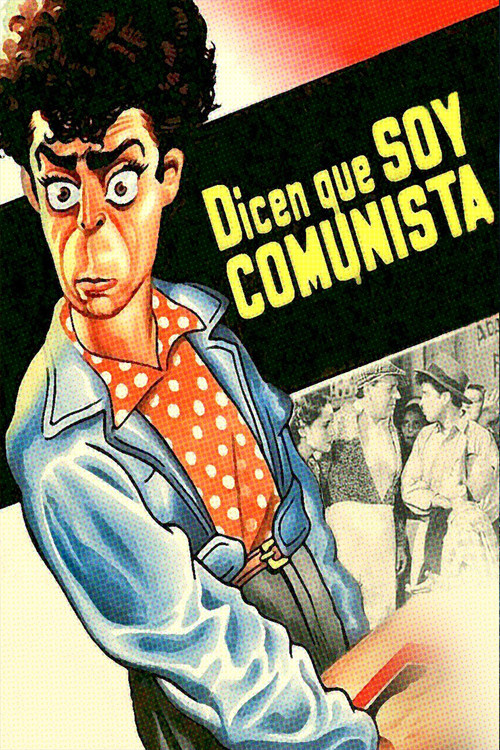
They Say I'm a Communist 1951
Directed by Alejandro Galindo, *They Say I'm a Communist* (1951) weaves together drama, comedy, and biting social critique against the backdrop of Mexico's economic turmoil.
Director: Alejandro Galindo
Cast
Frequently Asked Questions
What is They Say I'm a Communist (1951) about?
This 1951 Mexican drama follows a struggling worker who gets entangled in a political party's promises of workers' rights, only to uncover the corruption and empty rhetoric driving its leaders. The film blends dark humor with sharp social critique as he navigates a world of empty rituals and hidden agendas.
Who directed They Say I'm a Communist?
Alejandro Galindo directed this political satire, known for his ability to merge drama with social commentary in mid-century Mexican cinema.
Who stars in They Say I'm a Communist?
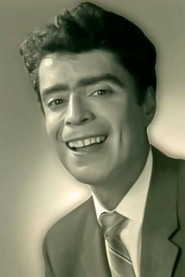
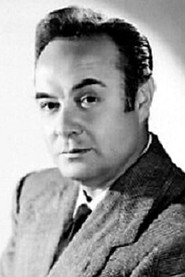
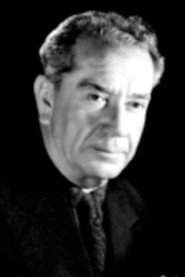
The film features Adalberto Martínez, María Luisa Zea, Miguel Manzano, Joaquín Roche, and Salvador Quiroz in pivotal roles.
Is They Say I'm a Communist (1951) worth watching?
While unrated on IMDb, its sharp critique of political manipulation and engaging performances make it a standout in the drama-comedy genre. Fans of classic Mexican cinema with a satirical edge will find it particularly rewarding.
How long is They Say I'm a Communist?
The film runs for 120 minutes.
About They Say I'm a Communist (1951) — Political satire meets class struggle in Mexican drama
Directed by Alejandro Galindo, *They Say I'm a Communist* (1951) weaves together drama, comedy, and biting social critique against the backdrop of Mexico's economic turmoil. The story follows an ordinary worker whose life spirals when he's swept up in a political movement promising liberation—only to uncover the hollow rhetoric and self-serving schemes of its leaders. With sharp satire and a tone that balances humor with cynicism, the film exposes how power structures exploit the working class, blending personal struggle with a broader commentary on systemic hypocrisy.
The cast, led by Adalberto Martínez and María Luisa Zea, delivers performances steeped in the film's gritty yet playful atmosphere. Galindo's direction navigates the thin line between farce and tragedy, crafting a narrative that feels as relevant today as it must have in 1951. Themes of deception, class struggle, and the illusions of political activism resonate through every scene, making it a compelling watch for fans of thought-provoking cinema.