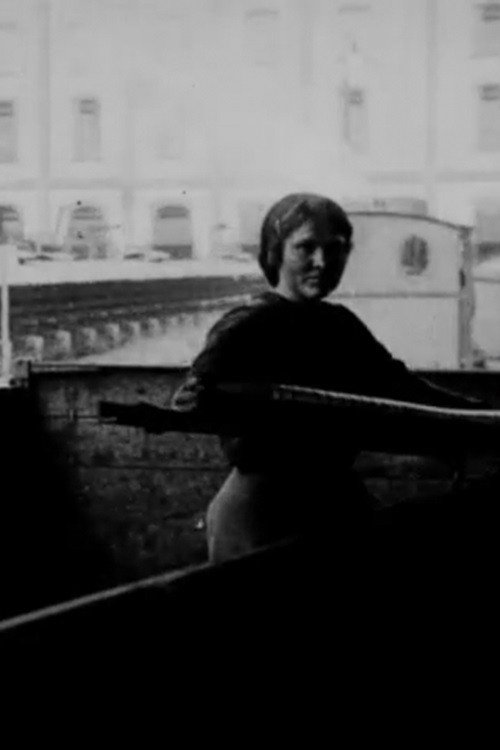
Grube Cecilie 1917
Grube Cecilie (1917) offers a fascinating glimpse into early 20th-century industrial life through the story of Stanislaus Krestowsky, a day laborer seeking better opportunities.
Frequently Asked Questions
What is Grube Cecilie (1917) about?
The film follows Stanislaus Krestowsky, a day laborer who relocates to Lützendorf for mining work at the Cecilie coal mine. After a year, he achieves significantly better living conditions for his family. Much of the narrative showcases the coal briquette manufacturing process of the era.
Who directed Grube Cecilie?
Director information is not available for this 1917 production.
Who stars in Grube Cecilie?
The main cast includes Stanislaus Krestowsky portraying the lead character, though additional cast details from this early silent film are not well documented.
Is Grube Cecilie (1917) worth watching?
For silent film enthusiasts and those interested in industrial history, this 14-minute documentary-drama provides unique historical value. Its blend of personal narrative and manufacturing documentation offers insight into early German cinema and working-class life in 1917.
How long is Grube Cecilie?
The runtime is 14 minutes.
Grube Cecilie (1917): Silent Era Coal-Mining Drama and Documentary
Grube Cecilie (1917) offers a fascinating glimpse into early 20th-century industrial life through the story of Stanislaus Krestowsky, a day laborer seeking better opportunities. This short documentary-drama follows his journey from a modest border town to the coal-mining community of Lützendorf, where his family joins him in pursuit of improved living conditions. The film captures the transformative power of honest work and the promise of upward mobility during a pivotal era in European history.
Much of this 14-minute production focuses on the industrial processes of briquet manufacturing, providing authentic historical documentation of coal production methods. The atmospheric portrayal highlights themes of hope, perseverance, and the dignity found in manual labor. As an early example of documentary filmmaking, Grube Cecilie (1917) serves as both social commentary and educational record, showcasing how cinema could illuminate everyday struggles and triumphs. The drama elements blend seamlessly with documentary footage to create an intimate portrait of working-class life.
For viewers interested in silent era cinema or industrial heritage, this rare film provides valuable insight into both the technical craft of early filmmaking and the socio-economic conditions of 1917. The brevity of runtime makes it an accessible historical artifact for those exploring German silent films or documentary traditions.