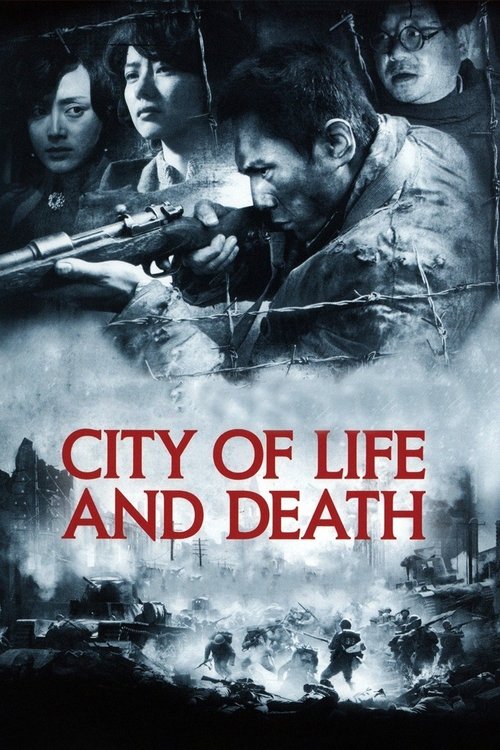
City of Life and Death 2009
City of Life and Death (2009), directed by Lu Chuan, plunges viewers into the harrowing reality of the 1937 Nanking Massacre during the Second Sino-Japanese War.
Director: Lu Chuan
Cast
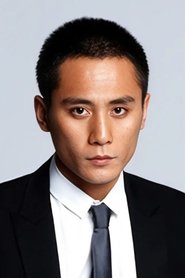
Liu Ye
Lu Jianxiong

Gao Yuanyuan
Miss Jiang

Hideo Nakaizumi
Kadokawa
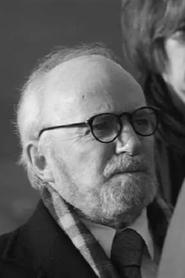
John Paisley
John Rabe

Beverly Peckous
Minnie Vautrin

Fan Wei
Mr. Tang

Qin Lan
Mrs. Tang

Ryu Kohata
Officer Osamu Ida

Jiang Yiyan
'Xiao Jiang' Jiang Xiangjun

Yao Di
'May' Zhou Xiaomei
Frequently Asked Questions
What is City of Life and Death (2009) about?
Set during the 1937 Nanking Massacre, the film follows the brutal invasion of Nanjing by the Imperial Japanese Army and its devastating impact on soldiers and civilians alike. Through intertwining stories, it explores themes of survival, morality, and the human cost of war.
Who directed City of Life and Death?
City of Life and Death was directed by Lu Chuan, a filmmaker known for his unflinching depictions of historical struggles and human resilience.
Who stars in City of Life and Death?
The film features standout performances from Liu Ye, Gao Yuanyuan, Hideo Nakaizumi, John Paisley, and Beverly Peckous, each bringing emotional depth to their roles.
Is City of Life and Death (2009) worth watching?
With its stark portrayal of history and strong performances, City of Life and Death (2009) is a compelling watch for fans of war dramas and historical films. Its emotional weight and artistic approach make it a memorable, though difficult, experience.
How long is City of Life and Death?
City of Life and Death (2009) has a runtime of 132 minutes.
🎥 Trailer
City of Life and Death (2009): A Gripping War Drama — Full Movie Info
City of Life and Death (2009), directed by Lu Chuan, plunges viewers into the harrowing reality of the 1937 Nanking Massacre during the Second Sino-Japanese War. This powerful historical drama weaves together the fates of soldiers and civilians caught in the chaos as the Imperial Japanese Army captures Nanjing, revealing the brutal consequences of war through intimate character stories. With a stark, atmospheric tone, the film contrasts the resilience of humanity against the backdrop of unspeakable violence, blending historical weight with deeply personal narratives.
Liu Ye delivers a standout performance as the conflicted Japanese soldier, while Gao Yuanyuan embodies the suffering of a Chinese civilian trapped in the crossfire. The film's deliberate pacing and unflinching portrayal of history make it a haunting meditation on war's moral complexities and the endurance of hope amidst despair.