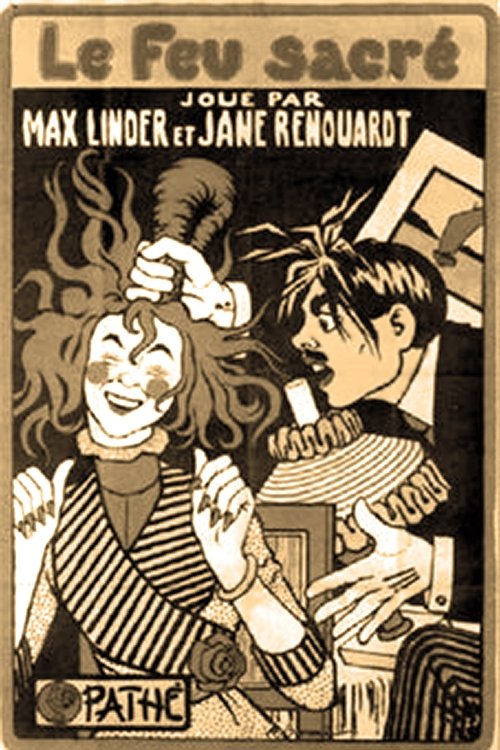
Max and Jane Want to Do Theater 1911
In the playful silent-era comedy *Max and Jane Want to Do Theater* (1911), directed by René Leprince, Max Linder and Jane Renouardt star as two reluctant lovebirds whose shared obsession with the stage threatens to sabotage their parents' marriage plans.
Director: René Leprince
Cast
Frequently Asked Questions
What is Max and Jane Want to Do Theater (1911) about?
This silent-era comedy follows Max, a young man desperate to avoid marriage, and Jane, his equally uninterested arranged bride-to-be. Both passionately devoted to the stage, they scheme to repel each other—only to find their efforts backfiring in hilarious ways.
Who directed Max and Jane Want to Do Theater?
The film was directed by René Leprince, a French filmmaker known for his work in early silent cinema.
Who stars in Max and Jane Want to Do Theater?
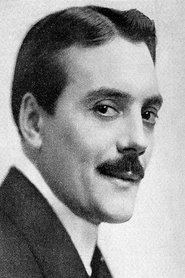
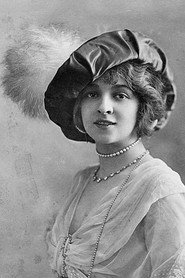
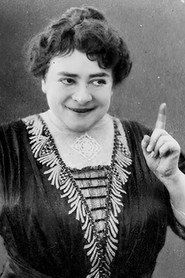
The film stars Max Linder and Jane Renouardt as the reluctant pair, alongside Henri Collen, Gabrielle Lange, and Charles Mosnier in supporting roles.
Is Max and Jane Want to Do Theater (1911) worth watching?
While it's a short silent film with no IMDb rating, its lively pacing, classic comedy tropes, and charming performances make it a nostalgic treat for fans of early cinema. Just don't expect modern dialogue—this one's all about visual wit.
How long is Max and Jane Want to Do Theater?
The film runs for 13 minutes.
About Max and Jane Want to Do Theater (1911) — Meet the reluctant lovers of silent comedy's early days
In the playful silent-era comedy *Max and Jane Want to Do Theater* (1911), directed by René Leprince, Max Linder and Jane Renouardt star as two reluctant lovebirds whose shared obsession with the stage threatens to sabotage their parents' marriage plans. Max, a dreamy young man, would rather tread the boards than settle down, while Jane—equally stage-struck—has no interest in the arranged union her mother demands. When the wary pair finally meet, their determination to scare each other off only leads to delightful chaos, blending slapstick humor with the lighthearted mischief of early cinema.
This charming 13-minute short thrives on the quirks of youthful rebellion and the absurdity of first impressions, set against the backdrop of vaudeville-inspired antics. Leprince's direction keeps the energy brisk, while Linder and Renouardt's chemistry shines through their exaggerated attempts at discouragement—turning what could've been a simple romantic farce into a timeless farce of mistaken intentions.