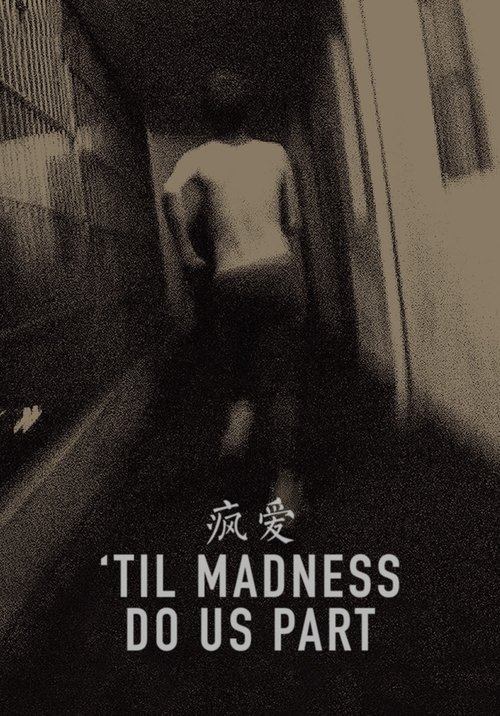
'Til Madness Do Us Part 2014
Directed by acclaimed filmmaker Wang Bing, *'Til Madness Do Us Part* (2014) offers an unflinching, immersive look into the lives of 50 inmates confined within a mental institution in China's Yunnan province.
Director: Wang Bing
Frequently Asked Questions
What is 'Til Madness Do Us Part (2014) about?
This documentary immerses viewers in the lives of 50 inmates at a mental institution in Yunnan, China, where they're confined for crimes ranging from violence to disability-related actions. Wang Bing's film strips away sensationalism to reveal the mundane yet profound realities of their daily existence.
Who directed 'Til Madness Do Us Part?
Wang Bing, the visionary Chinese filmmaker known for his documentaries like *Three Sisters* and *West of the Tracks*, directed this uncompromising look at institutional confinement.
Who stars in 'Til Madness Do Us Part?
The film features 50 inmates from a Yunnan mental institution, their stories and struggles forming the heart of the documentary. No traditional cast is credited, as the focus is on real lives.
Is 'Til Madness Do Us Part (2014) worth watching?
For fans of slow-burn documentaries that prioritize authenticity over spectacle, this film is a compelling if challenging watch. Its unflinching portrayal of institutional life offers few easy answers, making it a conversation starter rather than a feel-good experience.
How long is 'Til Madness Do Us Part?
The documentary runs for 228 minutes, or just under four hours, offering ample time to absorb its unfiltered observations.
🎥 Trailer
About 'Til Madness Do Us Part (2014) — Raw Observations in a Chinese Mental Institution
Directed by acclaimed filmmaker Wang Bing, *'Til Madness Do Us Part* (2014) offers an unflinching, immersive look into the lives of 50 inmates confined within a mental institution in China's Yunnan province. Their shared circumstances—whether stemming from violent acts, crimes against authority, or developmental disabilities—paint a stark portrait of confinement and human resilience. Shot over four years, the documentary strips away pretense, presenting raw, observational footage that lingers on the inmates' daily routines, interactions, and quiet moments of vulnerability. The film's atmosphere is one of oppressive monotony, punctuated by flashes of emotion, creating a deeply unsettling yet strangely intimate experience that challenges viewers to confront the blurred lines between sanity and madness.
Wang Bing's signature documentary style shines here, blending patience with intensity as he captures the inmates' existence without dramatization. The absence of traditional narrative is deliberate, forcing audiences to sit with discomfort and reflect on the societal structures that confine these individuals. The film's visuals and themes resonate long after the credits roll, leaving a haunting impression of humanity under duress.