Synchromy 1971
Dive into the mesmerizing world of *Synchromy (1971)*, a groundbreaking 7-minute animated short crafted by visionary artist Norman McLaren.
Director: Norman McLaren
Frequently Asked Questions
What is Synchromy (1971) about?
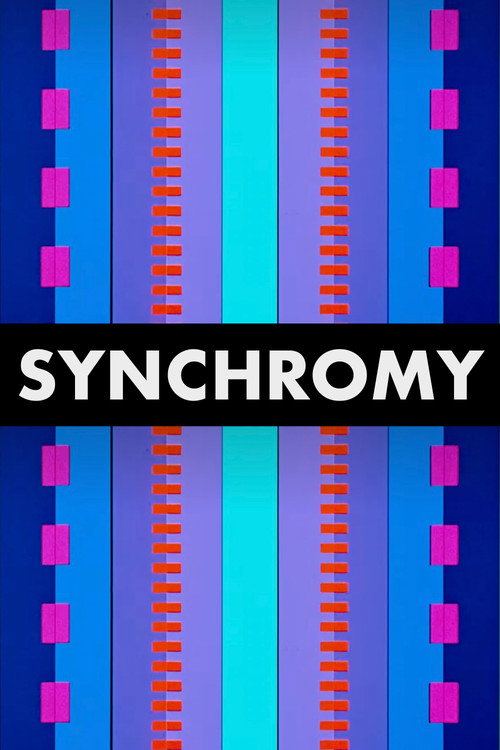
Synchromy is an avant-garde animated short that transforms geometric shapes into a living, breathing soundtrack. The film uses abstract visuals to create and synchronize its entirely synthetic musical composition, blurring the line between animation and auditory art.
Who directed Synchromy?
Director information is not available.
Who stars in Synchromy?
Synchromy features no traditional cast, as it is an abstract animated film.
Is Synchromy (1971) worth watching?
While short in length, Synchromy is a fascinating experiment in visual music that appeals to fans of avant-garde cinema. Its unique approach to blending animation and sound makes it a standout piece, though its abstract nature may not suit all viewers.
How long is Synchromy?
Synchromy runs for 7 minutes.
About Synchromy (1971) — A 7-Minute Animated Masterpiece of Visual Sound
Dive into the mesmerizing world of *Synchromy (1971)*, a groundbreaking 7-minute animated short crafted by visionary artist Norman McLaren. This experimental masterpiece merges sight and sound in a way that feels almost magical—geometric shapes dance and morph in perfect harmony with its entirely synthetic soundtrack, created by photographing abstract patterns and feeding them through an optical sound system. The result is a hypnotic visual symphony, where every line, angle, and movement pulses with rhythm, inviting viewers into a surreal auditory landscape.
McLaren's genius lies in his ability to blur the lines between animation and music, turning pure geometry into an immersive experience that feels both futuristic and timeless. The film's abstract nature sparks curiosity, leaving audiences to interpret its patterns and rhythms in their own way. With its minimal runtime and maximal impact, *Synchromy (1971)* is a must-watch for fans of experimental cinema and those who believe art can transcend traditional boundaries.