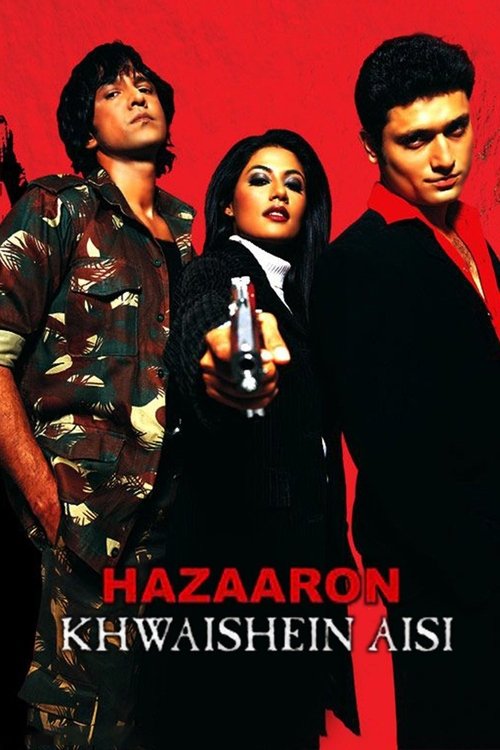
Hazaaron Khwaishein Aisi 2003
Against the stormy winds of India's 1975 Emergency, Sudhir Mishra's Hazaaron Khwaishein Aisi (2003) follows three spirited Delhi University students whose personal dreams collide with the tectonic political shifts that rocked the nation.
Director: Sudhir Mishra
Cast





Frequently Asked Questions
What is Hazaaron Khwaishein Aisi (2003) about?
Sudhir Mishra's period drama transports viewers to 1970s Delhi, where three university students navigate love, ambition, and the extraordinary turbulence of India's Emergency. As their private struggles entwine with sweeping public upheaval, the film asks whether ideals can survive when the world itself is suspended in uncertainty.
Who directed Hazaaron Khwaishein Aisi?
The film was directed by Sudhir Mishra, a filmmaker celebrated for his nuanced storytelling that bridges personal dramas with larger socio-political narratives.
Who stars in Hazaaron Khwaishein Aisi?
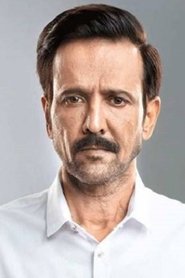
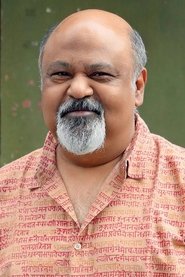
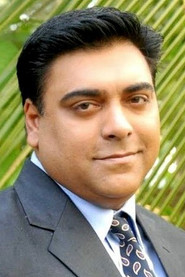
The emotionally layered cast features Kay Kay Menon, Chitrangada Singh, Shiney Ahuja, Saurabh Shukla, and Ram Kapoor.
Is Hazaaron Khwaishein Aisi (2003) worth watching?
Though IMDb has not rated the film, Mishra's sensitive direction and the trio's magnetic performances lend depth to this historical drama. Fans of period pieces that intertwine romance and resistance will find much to ponder here.
How long is Hazaaron Khwaishein Aisi?
Hazaaron Khwaishein Aisi runs for 120 minutes.
🎥 Trailer
Hazaaron Khwaishein Aisi (2003): A Love Story Wrapped in Political Storm — Full Movie Info
Against the stormy winds of India's 1975 Emergency, Sudhir Mishra's Hazaaron Khwaishein Aisi (2003) follows three spirited Delhi University students whose personal dreams collide with the tectonic political shifts that rocked the nation. Kay Kay Menon, Chitrangada Singh, and Shiney Ahuja each embody a different spark—idealism, ambition, and rebellion—while Saurabh Shukla and Ram Kapoor chip in sharp cameos as the unsparing realities of the era. This lyrical drama blends campus nostalgia with the raw urgency of street protests, painting a canvas where love letters and protest slogans bleed into the same ink.
Mishra's lens captures the lingering melancholy of a generation caught between hope and disillusionment, where every whispered promise feels like a fragile truce. The film's restrained palette and unhurried rhythm let the emotional weight of history breathe, transforming political headlines into intimate diary entries.