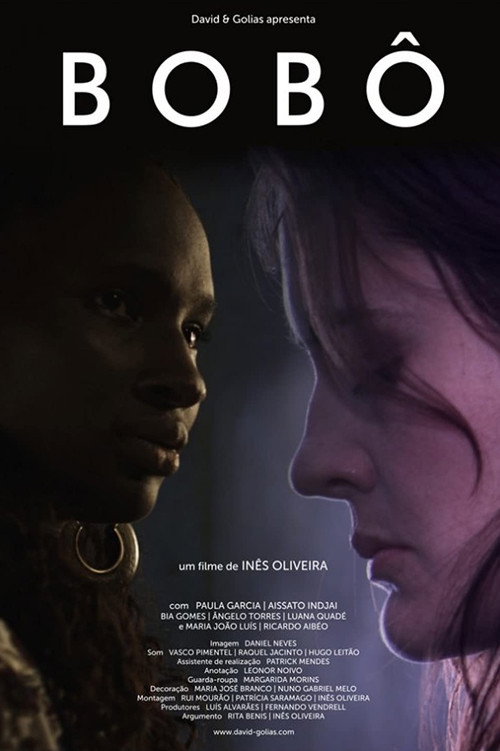
Bobô 2013
In *Bobô* (2013), Portuguese filmmaker Inês Oliveira crafts a delicate drama set in the winding streets of Lisbon, where Sofia, a withdrawn woman, navigates an existence tangled in solitude within her childhood apartment.
Director: Inês Oliveira
Cast




Frequently Asked Questions
What is Bobô (2013) about?
Sofia lives in secluded comfort in Lisbon until Mariama, a caregiver from Guinea-Bissau, arrives to care for her home and son. When Mariama's sister Bobô joins her, Sofia's sense of detachment begins to fade, forcing her to face her past and the cultural divides that shape their uneasy but transformative cohabitation.
Who directed Bobô?
Inês Oliveira helmed this intimate drama, bringing a gentle yet probing approach to its themes of displacement and personal reckoning.
Who stars in Bobô?
The film stars Paula Garcia as Sofia, Aissatu Indjai as Mariama, and Luana Quade as Bobô, with strong supporting turns from Bia Gomes, Ângelo Torres, and Maria João Luís.
Is Bobô (2013) worth watching?
Though unrated on IMDb, *Bobô* offers a quietly powerful exploration of cultural tension and emotional awakening through its well-crafted performances and atmospheric storytelling. Fans of character-driven dramas will appreciate its restrained intensity and thought-provoking narrative.
How long is Bobô?
Bobô (2013) has a runtime of 80 minutes.
About Bobô (2013) — A Lisbon Drama of Isolation and Unexpected Bonds
In *Bobô* (2013), Portuguese filmmaker Inês Oliveira crafts a delicate drama set in the winding streets of Lisbon, where Sofia, a withdrawn woman, navigates an existence tangled in solitude within her childhood apartment. Her carefully constructed world shatters when Mariama, a caregiver from Guinea-Bissau hired by Sofia's mother, arrives to tend to the household and her young son. The unexpected presence of Bobô, Mariama's spirited younger sister, ignites a quiet revolution in Sofia, compelling her to confront the ghosts of her past and the unspoken tensions between privilege and displacement that linger in the air.
As the two women forge an uneasy cohabitation, their clashing backgrounds and personal burdens collide, revealing raw, unspoken emotions that neither can ignore. Oliveira's understated direction and intimate storytelling weave a poignant tale about isolation, migration, and the fragile bridges between cultures.